


Selling a House With Foundation Issues: Your Options and What to Do First
Key Takeaway
Yes, you can sell a house with foundation issues. You have three real paths: repair the foundation and list it, list it as is with full disclosure, or sell as is to a cash buyer. The right path depends on how severe the problem is, your timeline, and what you would net from each route. Minor cracks rarely stop a sale, but serious structural defects shrink your buyer pool and affect financing.
Maybe you found a crack that wasn't there last spring. Maybe a contractor handed you an estimate with a number on it you can't cover right now. Either way, here's the direct answer: yes, you can sell a house with foundation issues. You have three real paths. You can repair the foundation and list it, list it as is with full disclosure, or sell it as is to a cash buyer. The right selling path comes down to how severe the problem actually is, how much cash you have, how fast you need to move, and what you'd net from each route.
This guide covers how to confirm what's really wrong, what you're legally required to disclose, how foundation problems affect a buyer's financing, and how to compare all three paths honestly.
Yes, You Can Sell a House With Foundation Issues
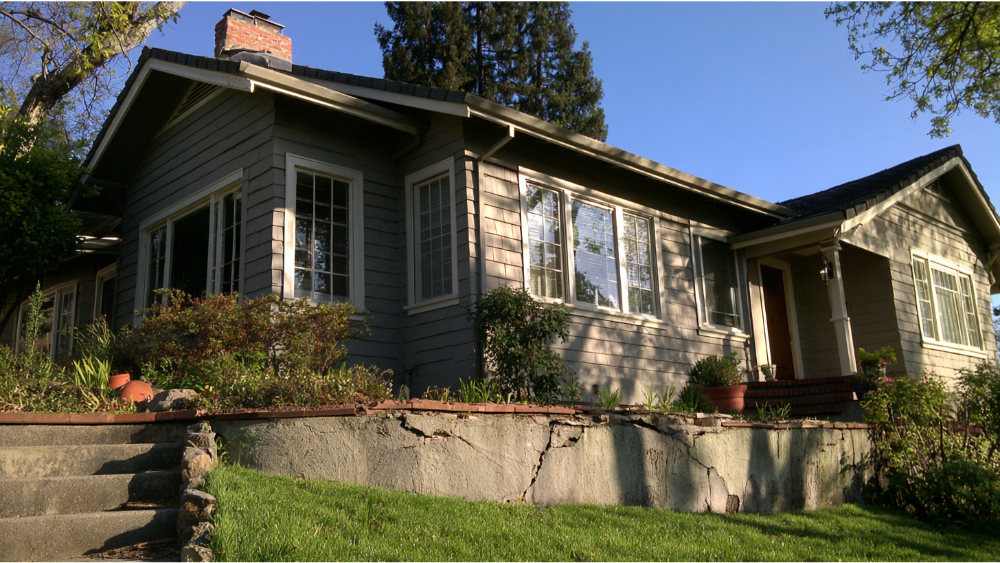
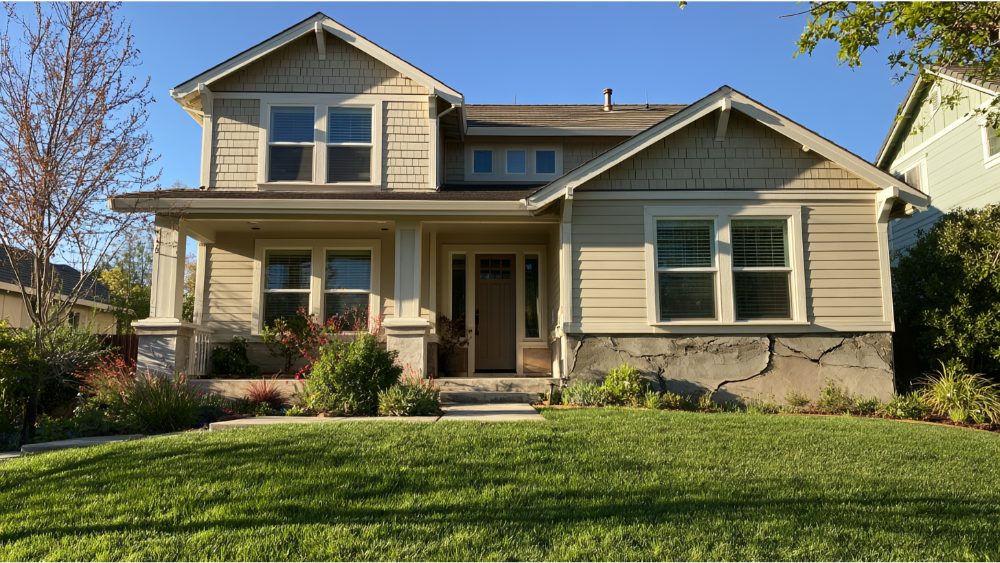
Foundation problems change your strategy, your price, and your buyer pool. They don't change your ability to sell the property. People sell homes with foundation concerns every month.
Two ideas carry the rest of this article, so let's get them straight now:
- Suspected is not the same as confirmed. A crack is a clue, not a diagnosis. Until someone qualified looks at it, you don't know whether you're dealing with normal concrete shrinkage or active structural movement. That difference is worth a lot of money.
- "As is" means you won't make repairs. It does not mean you can stay quiet. Selling as is saves you time and eliminates upfront repair costs. It is not permission to conceal a known defect. In California, an as-is clause does not waive your disclosure duties at all.
Keep both in mind as we walk through the three ways to sell: list it, take a cash offer, or have the repairs funded for you and sell for more afterward.
First, Find Out What You're Actually Dealing With
Don't make a six-figure decision based on a photo of a crack. The cheapest money you'll spend in this whole process is the money that tells you what's actually happening to your home's foundation.
Suspected Foundation Concerns vs. Confirmed Foundation Defects
A suspected problem is a symptom you've noticed. A confirmed defect is a documented finding from someone qualified to make it. Buyers, lenders, and appraisers treat those two things very differently, and so should your pricing.
Minor hairline cracks are often cosmetic. Not always. The American Concrete Institute points out that concrete can crack even when it was designed and poured correctly, and crack width can change over time with shrinkage. So not all foundation cracks mean the same thing, and a thin crack isn't automatically fine or automatically a disaster.
Signs that justify a professional evaluation
- Cracks that are widening or visibly changing over months
- Horizontal cracks, or a foundation wall that bows or leans
- Bowing basement walls, which show up in older homes with block foundations or poured walls
- Stair-step cracking through brick or block masonry
- Diagonal cracks radiating from door and window frames
- Sloping floors, or floors that feel uneven when you walk them
- Doors and windows that suddenly stick when they never did before
- Gaps opening at trim, cabinets, or window frames
- Standing water near the foundation, poor drainage, or grading that slopes toward the house
Any one of these on its own might be nothing. Several of them together, especially with moisture or soil movement in the mix, is the pattern that deserves a professional look.
Who does what: engineer, contractor, inspector, appraiser, cash buyer
- Licensed structural engineer: gives you an independent opinion and a written report, including whether structural cracks are active or stable. They don't sell the repair, so their assessment carries weight with buyers and lenders. California licenses structural engineers separately from civil engineers, and the state's Board for Professional Engineers, Land Surveyors, and Geologists offers public license lookup.
- Foundation contractor: provides a repair scope and a bid. Useful, but understand they sell the fix.
- Home inspector: flags concerns for further evaluation. Not a structural diagnosis.
- Appraiser: values the property for a lender and notes conditions that affect safety or soundness.
- Cash buyer's walk-through: a purchase evaluation so we can make an offer. It is not an engineering assessment, and we'd never tell you it was.
Your Three Ways to Sell a House With Foundation Problems
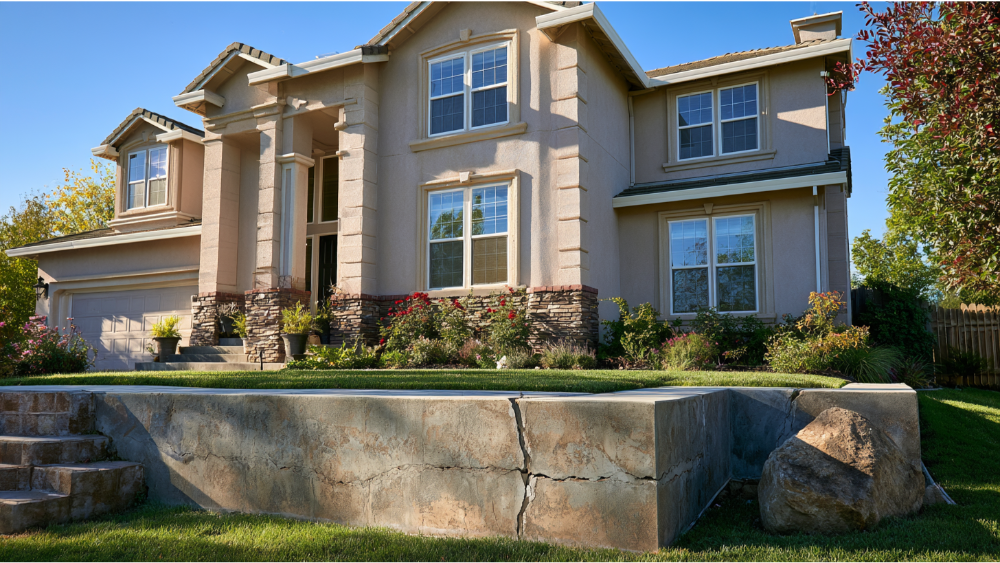
All three are legitimate. None is automatically right. We'll say plainly that a traditional listing often produces the highest headline number, and we'll also say that the highest headline number isn't always what ends up in your pocket. Here's how each one works.
Option 1: List your home on the market (repaired, or as is)
Best fit when your timeline is flexible, the issue is minor or already repaired and documented, and you're comfortable with showings, buyer contingencies, and a longer runway. This path gives you the widest market exposure and usually the strongest gross price.
You can also list as is. That means you price for the condition, disclose what you know, and let buyers absorb the repair risk. It's a real option. Just know that it narrows your buyer pool significantly, because buyers using conventional or government-backed financing may run into appraisal conditions on a home with visible structural concerns. You'll mostly target investors, cash buyers, and people with renovation financing.
We support this path. Pricing strategy, marketing, negotiation, all of it. If listing nets you more and you can wait, that's the advice we'll give you.
Option 2: Get a Fast Cash Offer and Sell As Is
Best fit when you can't or don't want to fund repairs, when the condition could complicate a buyer's financing, or when speed and certainty matter more than squeezing out the last dollar. Estate settlements, divorce, a job relocation you can't delay, a foreclosure clock: this is where this path earns its keep, especially when the monthly carrying costs are already creating enormous pressure.
You sell as is. No repairs, no showings, no agent commissions, and no out-of-pocket expenses, which on traditional sales commonly runs approximately $15,000 to $20,000 in fees and seller costs. We can close in as little as 7 days, or on whatever timeline works for you if you need longer. You can request up to a $100,000 cash advance before you move out, which matters when you need deposit money for the next place before escrow closes.
On the mechanics: we use the California Purchase Agreement on every transaction, open escrow within 24 hours of an executed contract through Fidelity, and deposit earnest money within 24 to 48 hours. And we back it with a guaranteed close, or we pay you.
Our in-house construction team is why we can take on foundation work directly. We're not calling an outside contractor and building their markup into your offer.
Option 3: Fix now, sell for more (someone else funds the repairs)
Most articles on this topic skip this path entirely, which is strange, because it solves the exact problem most sellers have: the repairs would help, but there's no cash to do them.
We fund the strategic repairs upfront. You pay nothing out of pocket. Our construction team does the work, and you sell for more after the improvements. Best fit when fixing the foundation would meaningfully widen your buyer pool or raise your proceeds, but you don't have the money and you don't want to manage a construction project while you're also packing boxes. The one requirement is time. The work has to be done properly, with permits and inspections, which means this path isn't for a 10-day deadline.
Should You Make Foundation Repairs Before Selling?
There's no universal answer here, so use a framework instead.
When foundation repairs usually make sense
- An engineer has defined the scope clearly, so you're not repairing blind
- The underlying cause (drainage, soil moisture, a plumbing leak) can also be corrected, not just the symptom
- Qualified, licensed contractors are available and permits are obtainable for your address
- The repair would plausibly bring financed buyers back into play
- You have the time and either the cash or a funding path
- The added proceeds realistically exceed the cost plus the risk of scope creep
Plan on roughly one to four weeks of actual foundation work depending on severity, plus permit review and inspection time on top of that. Minor repairs on a documented, limited issue can add meaningful value, with some sources citing gains in the neighborhood of $10,000, though that depends entirely on the house and the market.
When selling as is usually makes more sense
- The scope is severe, or nobody can tell you confidently what it will take
- You can't fund the work and don't want to borrow against the outcome
- Other major repairs are stacked on top of the structural issues, like roof or plumbing
- An estate, divorce, relocation, or foreclosure timeline is driving the decision
- Carrying costs (mortgage, property taxes, insurance, utilities) are piling up every month you hold
- Simplicity and certainty matter more to you right now than maximum gross price
Here's the honest version: selling as is almost always trades some gross price for speed and certainty. The real question is how much, and whether that trade is worth it in your situation.
What Do Foundation Repairs Cost, and How Much Do Foundation Issues Affect Home Value?
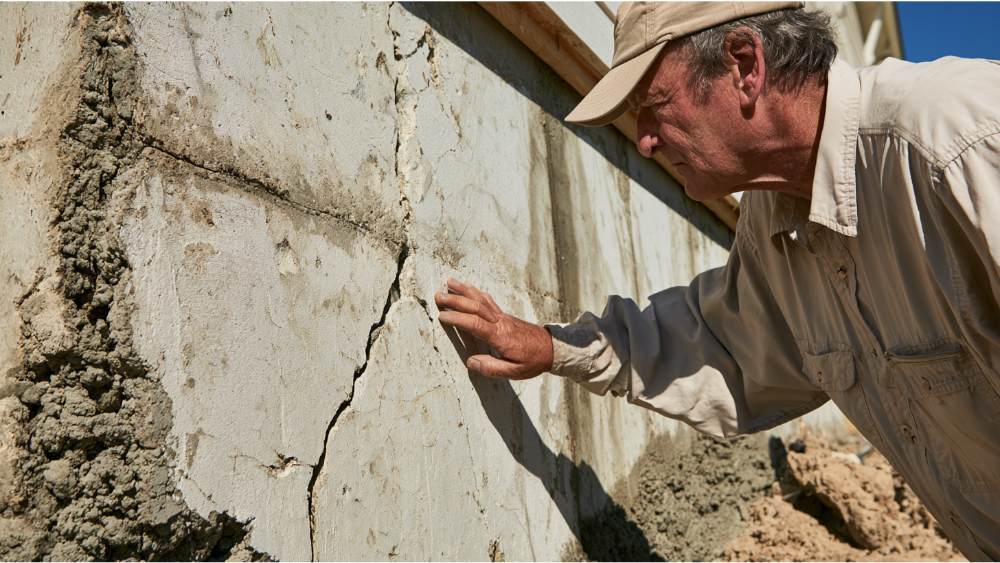
National averages don't price your house. Treat every number below as a commonly cited range that starts a conversation, not an appraisal.
Typical foundation repair cost ranges
Widely cited averages land near $18,000, and serious work runs into tens of thousands. Two foundation contractors can hand you wildly different bids on the same house, usually because they're proposing different repair scopes. Get multiple written contractor estimates, and tie them to an engineer's report so everyone is bidding the same work.
How much value do foundation issues actually take off?
You'll see 10% to 20% cited constantly, and some sources push to 25% or 30% for unrepaired problems. No universal percentage is defensible. What actually drives the number:
- Whether the issue is suspected or confirmed, and whether movement is active or stable
- How certain the repair scope is
- Permits, documentation, and whether a warranty transfers
- Financing availability for potential buyers
- Local inventory, demand, and other deferred maintenance on the property
- How much risk cushion a buyer builds into their offer
Significant foundation problems also shrink the pool of people who can bid, which pushes price down on its own. A comparative market analysis that looks at repaired versus as-is comparable sales in your area will tell you more than any percentage you read online.
Compare Net Proceeds, Not Just the Sale Price
The highest offer isn't automatically the best outcome. What matters is the number that reaches your account after everything comes out.
A simple net-proceeds comparison
- Expected sale price
- Minus repair costs
- Minus financing or carrying costs while repairs are underway
- Minus commissions and seller expenses
- Minus buyer concessions and any post-inspection price reduction
- Minus mortgage, taxes, insurance, and utilities over the longer timeline
- Equals your estimated net proceeds
Run that math three times: as-is listing, direct cash offer, and funded-repair-then-sell. The cash path has fewer lines in the subtraction because we cover the fees and out-of-pocket expenses. A cash offer isn't full market value, and we won't pretend otherwise. You'll also see cash buyers industry-wide described as offering somewhere around 50% to 70% of after-repair value. That figure varies enormously by company and property, and it isn't a quote from us. Get an actual offer and compare actual numbers.
This is general education and does not constitute legal, financial, or tax advice. Talk to your own professionals about your situation.
Do You Have to Disclose Foundation Problems When You Sell?
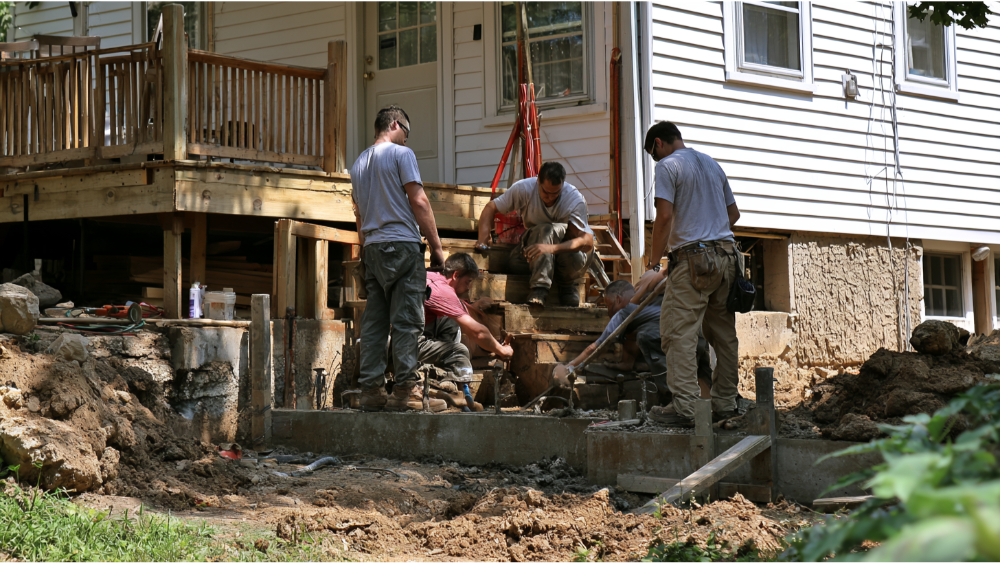
In nearly every state, yes. Disclosure rules vary, but almost all of them require sellers to disclose known material defects, and foundation problems qualify. Texas, Ohio, Indiana, and Colorado all have state-level disclosure requirements, and California's are among the more detailed.
Past repairs count too. Even if the work is done and the house is stable, a known prior repair is typically disclosable. And painting over a crack before photos doesn't make the problem disappear. It creates legal liability.
California disclosure rules for foundation and soil problems
California's Real Estate Transfer Disclosure Statement asks directly whether you're aware of significant defects or malfunctions, settling from any cause, slippage or sliding or other soil problems, flooding or drainage or grading problems, and structural modifications or repairs made without the necessary permits or not in compliance with code.
Per the California Department of Real Estate, the TDS generally must be delivered as soon as practicable and before transfer of title. If it's delivered after the buyer has already signed the offer, the buyer may have 3 days to terminate after in-person delivery, or 5 days after delivery by mail.
An as-is clause does not waive these California disclosure duties. Your disclosure obligations stay with you no matter which path you take, and putting everything in writing is the simplest way to limit your legal exposure later. For your specific transaction, talk to a California real estate attorney or licensed professional. We use the California Purchase Agreement on every deal we do, which keeps the disclosure process standard and documented for both sides.
How Foundation Issues Affect Buyer Financing
You'll read that lenders won't touch a house with foundation problems. That's too broad. What's accurate: serious, unresolved structural deficiencies can trigger appraisal conditions, required professional evaluations, or required repairs before funding, and that shrinks the pool of financed buyers while making deals more conditional. A thin crack rarely stops mortgage financing. Severe structural failure is a different story.
FHA and VA loans both carry property condition standards, and FHA guidance requires appraisers to examine the foundation for readily observable safety or structural deficiencies. If something is observed, the appraisal may come back requiring repairs or evaluation by a qualified third party. Fannie Mae similarly requires appraisal reports to identify deficiencies affecting safety, soundness, or structural integrity, and conventional lenders decide eligibility from there.
Can a buyer get a mortgage on a house with foundation issues?
Sometimes, yes. FHA's 203(k) rehabilitation program can finance repairing, reconstructing, or elevating an existing foundation and correcting structural damage. It's slower and more lender-specific, and not every buyer or loan officer wants to take it on.
Cash sales close more reliably here for one simple reason: no lender property-condition requirements, no financing contingencies, and no appraisal-driven price reduction halfway through escrow. Traditional buyers can still work, but their timeline depends on an underwriter you never meet.
Sacramento Soil, Permits, and Why Foundations Move Here

Foundation movement isn't abstract around here. The Sacramento County General Plan reports that expansive soils make up roughly one-third of soil types in the county. These clay-rich soils swell when wet and shrink as they dry, and clay can expand substantially with moisture. Our wet winters and bone-dry summers cycle that soil up and down every single year, which is one of the main reasons residential foundations move in this region.
That said, a ZIP code doesn't diagnose a house. Plenty of homes sitting on expansive soil never develop a problem. The City of Sacramento notes that many areas contain expansive soil and may require a soils report where it's present.
If you do repair: major foundation work typically needs engineered plans, permits, and staged inspections, including checks after footing excavation, forms, and reinforcing steel are in place. New Sacramento permit applications must comply with the 2025 California Building Standards Codes, effective locally January 1, 2026. Requirements depend on your address and scope, so verify with the city or county building department with jurisdiction. The city's permit portal also lets you check permit history and open code cases on a property, which is worth doing before you list. Our construction team deals with this permitting reality routinely.
Hiring Foundation Contractors in California: What Protects You
If you decide to repair, California's contractor rules exist to protect you. Use them.
- Verify CSLB license status. A contractor generally must hold a current license if the work requires a permit, uses employee labor, or totals $1,000 or more in combined labor and materials.
- Get a written contract. Required for home improvement projects over $500. It should name the scope, materials, price, payment schedule, permit responsibility, completion date, and license number.
- Watch the down payment. The standard cap is $1,000 or 10% of the contract price, whichever is less.
- Don't let payments run ahead of the work. Progress payments shouldn't exceed the value of work completed or materials delivered.
- Collect everything. Warranties, invoices, plans, engineering reports, and final permit sign-offs.
If managing bids, permits, and a crew while you're also packing and finding your next place sounds impossible right now, that's exactly the situation Fix Now, Sell for More was built for.
If the Foundation Was Already Repaired, Gather These Records

A completed, documented repair is a selling point. An undocumented one is a red flag that buyers will price against you. Pull together:
- The original engineer's report, plus any re-evaluation after the work
- The written repair scope
- Contractor invoices and CSLB license information
- Permit records and final approvals
- Before and after photos
- Any soil or drainage reports
- Warranty terms and transfer requirements
- Records of related plumbing, grading, or drainage work
Don't assume a warranty follows the house. Check whether you actually have a transferable warranty, what the transfer costs, and what the buyer has to do to activate it. Paperwork gives buyers confidence, keeps serious buyers at the table, and does more to prevent a deal collapse during the inspection period than almost anything else you can hand over.
What If Foundation Problems Show Up After You Accept an Offer?
It happens. Here's the realistic range of outcomes:
Early transparency is cheaper than a late surprise. A deal that dies in week five costs you five more weeks of carrying costs, and your listing comes back to market looking like something fell apart. Disclose what you know, document what you can, and price accordingly.
How to Evaluate Cash Buyers and As-Is Offers Safely

Not every cash offer is what it looks like. Some unlicensed wholesalers tie up your house with a custom contract, then spend weeks shopping it to someone else. If they can't find a buyer, they walk, and you've lost a month. Ask any cash buyer these questions, including us:
- The buyer orders a further professional evaluation
- Renegotiation of price or terms
- A repair request before closing
- A price reduction or a closing credit
- An appraisal condition requiring repair or third-party evaluation
- The lender declines to fund until corrections are documented
- The buyer cancels within their contract rights
- You pivot to a cash buyer or a renovation-financing buyer
Our answers: we buy directly, using the California Purchase Agreement on every transaction. Escrow opens within 24 hours of an executed contract through Fidelity, with earnest money deposited in 24 to 48 hours. No fees, no commissions, no out-of-pocket expenses. And a guaranteed close, or we pay you. We're BBB Accredited with an A+ rating, listed under our legal entity, BKSP Property LLC, doing business as Property Sales Group.
Compare All Three Options With Property Sales Group
We're based in Sacramento and work throughout Northern California, including Fair Oaks, Placerville, Auburn, and Antelope. Founded in 2014 by Sergei Kucher, we're a team of 45 with 37 combined years across acquisitions, construction, and project management, and we've helped over 1,200 homeowners in Northern California.
Three paths, your choice. List your home with our support on pricing and negotiation. Get a fast cash offer and sell as is on your timeline. Fix now, sell for more and let us fund the repairs upfront. Moving assistance and help finding your next place come with any of them.
No pressure. Find out what your home is worth and compare your real options before you decide. Call or text to talk to an expert at 916-990-7376, email [email protected], or stop by 9719 Lincoln Village Dr, Suite 609, Sacramento, CA 95827.
Frequently Asked Questions
Can you sell a house with a bad foundation?
Yes. You can repair it and list, list it as is with proper disclosure, or sell as is to a cash buyer. Severity affects your price and your buyer pool, not your ability to sell. What you can't do is hide a known problem from buyers.
Who buys foundation damaged homes?
Cash buyers, real estate investors, and buyers using renovation financing. The right buyer for a foundation damaged house is someone who can absorb the repair without a lender dictating the timeline, which is why these sales usually close faster and with fewer conditions.
What decreases property value the most?
Structural and foundation defects, roof and water damage, and major deferred maintenance, because they threaten safety, soundness, and a buyer's financing. Commonly cited estimates put unrepaired foundation issues around 10% to 20% of value, though the real number depends on scope, documentation, and local demand.
What is the most common reason a property fails to sell?
A price that doesn't match the condition. Close behind are inspection surprises and buyer financing falling apart. Disclosing foundation concerns up front, with an engineer's report and repair estimates in hand, prevents most of those failures.
When's the worst time to sell a house?
Generally the slowest winter weeks, when buyer traffic thins out. But for a home with foundation problems, the worse timing is selling under pressure with no documentation and no plan. A cash offer removes most seasonal risk because it doesn't depend on buyer financing or foot traffic.
