


Sell My Condo for Cash: How the Process Works and What to Check First

Key Takeaway
You can sell your condo for cash as is, often closing in as little as 7 days, because a cash buyer uses their own funds and removes the lender's review of your building entirely. This eliminates financing contingencies, repair demands, and agent commissions. Cash buyers price roughly 10% to 20% below full retail, but with no fees or out-of-pocket costs, your net proceeds are often closer than the headline numbers suggest.
Yes, you can sell your condo for cash, usually as is, and in some cases close in as little as 7 days. A cash buyer uses their own funds, so there's no mortgage approval to wait on, no lender appraisal, and no financing contingency that can collapse the deal three weeks in. You skip the repairs, the showings, and the real estate agent commissions.
If you're reading this, something is probably pushing you. Dues that keep climbing. A special assessment letter that landed in your mailbox. A unit that needs more work than you can fund right now. Or a timeline that simply won't stretch.
Maybe you've been typing "sell my house fast" or "sell my condo fast" into Google and getting the same five promises on every page. Here's the honest version: a cash offer is one of three real selling options, and the right one depends on your numbers, not on anyone's sales pitch. Let's walk through what a condo cash sale actually involves before you commit to anything.
What Does Selling a Condo for Cash Actually Mean?

A cash buyer purchases with their own funds. An all cash purchase means no lender, no loan underwriting, no appraisal contingency, no financing contingency. Most cash buyers are real estate investors or iBuying platforms, and nearly all of them buy condos as is, meaning you don't make repairs or clean out the garage before closing.
That's the part every page tells you. Here's the half most of them skip.
Cash removes the lender's review of your condo project. It does not remove escrow, title work, mortgage and lien payoff statements, HOA documents, or your California seller disclosure obligations. Those still happen. They're just happening without a mortgage underwriter deciding whether your building qualifies.
Two ideas carry the rest of this article. The first is that distinction: what cash eliminates versus what still has to get done. The second is that any condo buyer, cash or financed, is evaluating two things at once. Your unit, and your building. Understanding that second point explains almost everything that makes condos harder to sell than houses.
When Does Selling a Condo Fast for Cash Make Sense?
None of these situations say anything bad about you. They're just circumstances, and most condo owners hit at least one of them eventually.
- A job relocation on a tight schedule you can't move
- A divorce where both names need off the title
- An inherited condo across town or across the country
- A unit that needs significant repairs you can't or don't want to pay for
- A deal that already fell apart when the buyer's financing died
- Monthly dues that have outgrown what the unit is worth to you
- A pending or approved special assessment
- HOA litigation or building repairs that are scaring lenders away
- A tenant in place you'd rather not disturb with showings
- A move-out date you need to control yourself
Speed and certainty are the two things a cash sale actually sells you. Investors buy condos to rent, renovate, or resell, so condition isn't the obstacle it becomes on the traditional market. And if the timing is the hard part, we can close in as little as 7 days or hold the closing date until you're ready, with up to $100,000 available as a cash advance before you move out.
Why Is It Hard to Sell a Condo Fast? (And How It Differs From Selling a House)

Because there are two properties being judged, not one.
Your unit: condition, layout, floor, parking, view
Interior condition matters, obviously. So do dated finishes, the floor plan, whether parking is assigned or shared, which level you're on, your view, and what amenities you have access to. But the number that drives your value most is what similar units in your complex have sold for recently. Citywide averages are close to useless here. A two-bedroom in your building is a far better comparison than a two-bedroom a mile away.
Your building and HOA: what condo buyers really evaluate
Lenders look at reserve funding, master insurance, delinquent assessments, pending special assessments, active litigation, critical repairs, and rental restrictions. Any one of those can make a condo project ineligible for conventional mortgage financing.
This tightened recently. Fannie Mae retired its Limited Review process for loan applications dated on or after August 3, 2026, so established projects generally need a Full Review or a waiver. The practical effect for you: a buyer can be perfectly qualified, fully approved, sitting on a strong down payment, and still get stopped by your building's paperwork.
That's why a condo can sit for months while a nearly identical house down the street sells in two weeks. Owners who need to sell quickly often get stuck right here, and it's rarely about you or your unit.
Your Three Real Options for Selling a Condo
We won't push you toward one. The selling process looks different on each, and each of them is the right answer for somebody.
List your condo on the open market with a real estate agent
A traditional listing reaches the widest pool of potential buyers, and it can produce a higher price. That's true, and we'd rather say it than pretend otherwise. The trade-offs are time, prep work and repairs, open houses and showings, real estate agent commissions, and the risk that a buyer's loan falls through over your building's eligibility. If your HOA is financially healthy and your unit shows well, this path deserves a serious look. A good listing agent earns their keep on pricing, marketing, and negotiations, and we support this path too.
Get a fast, fair cash offer
Sell your condo as is. No showings, no costly renovations, no fees, no out-of-pocket expenses. Close in as little as 7 days or on whatever closing date works for you. We open escrow within 24 hours of an executed contract, with earnest money deposited within 24 to 48 hours, and we use the standard California Purchase Agreement on every transaction. Guaranteed close, or we pay you. This is the hassle free path, and it's the one most people picture when they start searching for cash home buyers.
Fix now, sell for more
We fund strategic interior updates upfront, with nothing out of your pocket, then you sell for what the improved unit is worth. Our in-house construction team is what makes this possible, since we're not subcontracting the work at a markup. One honest limit: this covers the interior of your unit. Balconies, hallways, roofs, and building systems belong to the HOA, and no buyer can unilaterally fix those.
Who Are the Cash Home Buyers That Buy Condos As Is?

"Cash buyer" covers several very different kinds of businesses, and knowing how cash buyers operate tells you a lot about what to expect.
- Local real estate investment groups. Companies like ours that buy condos and houses in a defined market, renovate them, and either rent or resell. A local cash buyer knows the neighborhood and shows up in person.
- National iBuying platforms. Algorithm-driven, fast, and usually fee-based. Many of them decline condos outright or limit which projects they'll touch.
- Individual local investors and landlords. Often buying one unit at a time for rental income. Funding and follow-through vary widely.
- Wholesalers. These aren't really cash buyers at all. They tie up your condo under contract, then shop that contract to someone else. If they can't find an end buyer, the deal dies, and you've burned weeks.
That last category is where most of the horror stories come from. A real local buyer shows proof of funds, signs a California Purchase Agreement, and puts earnest money into escrow. Ask which one you're dealing with before you sign, and ask it directly.
How Do Cash Home Buyers Calculate a Fair Cash Offer on a Condo?
Here's what goes into the number:
- Recent sales of comparable units in your complex
- Your unit's condition and the scope of interior work needed
- Monthly HOA dues, which affect what a future buyer can afford
- Any pending or approved special assessment
- Building repairs, litigation, insurance, and reserve condition
- Rental or occupancy restrictions
- Liens, delinquent dues, and mortgage payoffs
- The buyer's own renovation and resale costs
Direct cash buyers generally price below the current market value of a finished, move-in-ready unit. The figure commonly cited across the real estate industry is roughly 10% to 20%, and that gap pays for condition risk, carrying costs, and the certainty you're getting in exchange.
But headline price isn't what lands in your bank account. With no real estate agent commissions, no repair bills, and no out-of-pocket expenses (we cover the fees, which run approximately $15,000 to $20,000 in a typical traditional sale), the difference in net proceeds is usually much smaller than the difference in sticker price. Our construction team being in-house instead of subcontracted is also why we can often make a more competitive offer than buyers who have to pay a general contractor's markup.
Every offer depends on the specific unit and the written agreement. Ask any buyer, including us, to explain the math.
How the Condo Cash Sale Process Works, Step by Step
- Submit your address and a few property details. You get a no obligation cash offer estimate, often within 24 hours, and it's completely free.
- Talk through your goals and timeline. This is where we figure out together which of the three paths actually fits.
- Brief walk-through. Not an inspection, not an appraisal. We look at the unit and the complex. Clear the pathways and don't worry about the rest.
- Receive a written cash offer. Terms spelled out, including who pays what.
- Review proof of funds and contract terms, then sign a California Purchase Agreement.
- Escrow opens within 24 hours of the executed contract, with earnest money deposited within 24 to 48 hours. We use Fidelity.
- Order the HOA resale package, preliminary title report, and payoff statements for your mortgage and any assessments.
- Close on the closing date you pick. As little as 7 days, or months out if you need the room.
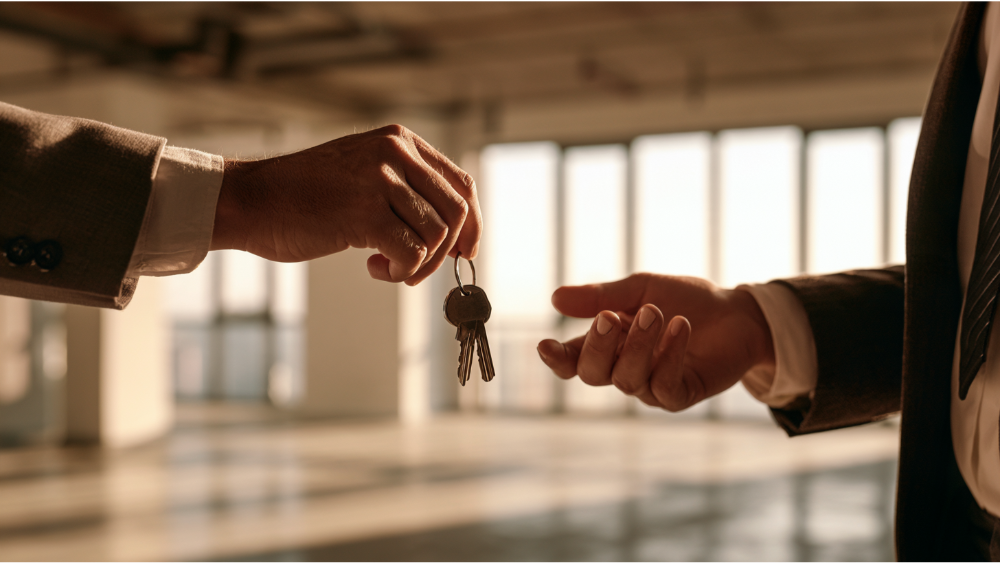
One realistic caveat most pages leave out: the closing process on a condo depends partly on how quickly your HOA and the title company turn around documents. Request the HOA packet the day you accept an offer, not the week before closing. That single move does more for a smooth closing than anything else, and we'll chase all the paperwork alongside you.
Selling Your Condo As Is: What California Still Requires
"As is" means no seller-paid repairs, not "no disclosures"
Every real estate transaction in California comes with disclosure obligations, and selling as is doesn't erase them. State guidance is explicit that the Transfer Disclosure Statement isn't waived simply because a property sells as is. You still disclose known material facts. For most homes built before 1978, federal lead-based paint rules also apply: known information and records, the EPA pamphlet, a lead warning statement, and unless waived, a 10-day window for the buyer to evaluate.
So "as is" is a repair term, not a disclosure exemption. Any buyer who tells you otherwise is telling you something useful about themselves.
Your California HOA resale package

Sellers in a common interest development generally need to furnish:
- CC&Rs and other governing documents
- The current annual budget and policy information
- Current regular and special assessments
- Delinquent assessments and related charges
- Approved assessment changes not yet payable
- Unresolved HOA violations
- Rental restrictions
- Construction defect information
- The previous 12 months of approved board minutes, if requested
- The most recent exterior elevated element inspection report, where applicable
That last one is new. As of January 1, 2026, the balcony, walkway, stair, and deck inspection report required under Civil Code Section 5551 is part of California's condo resale document form. For qualifying projects, the first inspection deadline was January 1, 2025, with inspections required at least once every nine years after that. Findings can affect buyer confidence, future assessments, insurance, and conventional financing eligibility.
Under Civil Code Section 4530, your association generally has 10 calendar days to provide requested resale documents after a written request, and may charge a reasonable itemized fee based on actual cost. The seller typically pays for those required documents. This is general information, not legal advice. Confirm your specifics with your association or a California real estate attorney.
Can You Sell a Condo With Unpaid HOA Dues, a Lien, or a Special Assessment?
Usually, yes. Back dues, HOA liens, and your mortgage balance are typically identified during escrow and paid from the sale proceeds at closing. That's part of why your payoff figures matter more to your outcome than the headline number on the cash offer.
The honest caveat: a pending or approved special assessment can still affect your value even when it gets paid off at closing, because the next owner inherits the building's financial situation along with the unit. Who pays what is a negotiated contract term, and it belongs in writing, not in a verbal promise over the phone.
Ask about HOA transfer and document charges and transfer taxes too. They're real line items on your closing statement.
A complicated HOA situation doesn't make your condo unsellable. It just makes the paperwork matter more.
Cash Offer vs. Traditional Sales: Comparing Closing Costs and Net Proceeds

Run this twice, once for each path. Start with the expected final sale price, then subtract:
- Repairs and prep work
- Real estate agent commissions and any seller concessions
- HOA document and transfer charges
- Closing costs, title and escrow fees, and transfer taxes
- Mortgage and assessment payoffs
- Carrying costs (mortgage, dues, taxes, insurance, utilities) for every month the condo is still yours
A higher headline number doesn't always leave you with more money. And a cash offer isn't automatically less. We've seen both outcomes.
Closing costs are where traditional sales quietly give back a chunk of that higher sale price. When you sell directly to us, we pay the fees and the out-of-pocket expenses, so what you see in the written agreement is what you walk away with. No hidden costs, no surprise deductions at the closing table.
Build in the value of certainty, too. A listing that falls out of escrow because the building failed a lender's project review costs you weeks of carrying costs and puts you back at the starting line, often with a stale listing. In a slower market, that hurts more. A quick sale carries real value that never shows up on the price line.
A quick note on taxes (not tax advice): a cash home sale is still a taxable sale. The federal main home gain exclusion can be up to $250,000 for an individual filer or $500,000 for certain married couples filing jointly, generally requiring qualifying ownership and use for two of the previous five years. Exceptions apply, especially with rentals, inherited property, and depreciation. Talk to a tax professional about your situation.
How Do You Know a Cash Buyer Is Legitimate?
You've probably heard the horror stories. Here's how to screen anyone, including us.
A seller's verification checklist
- Is the buyer a named legal entity with a real physical address and a phone number that a human answers?
- Will they provide proof of funds before you sign anything?
- Is the contract a standard California Purchase Agreement, or a custom document written in their favor?
- Is the contract assignable, and if so, do they intend to market your contract to another investor instead of buying it themselves?
- How much earnest money, and when is it deposited?
- How fast does escrow open, and can you call the escrow company yourself to confirm?
- What contingencies let them cancel?
- Who pays the HOA document, transfer, title, and escrow charges?
Red flags worth walking away from
Pressure to sign today. Refusal to show proof of funds. No earnest money. Vague or missing escrow details. Any request that you pay money upfront. And an offer price that quietly changes after the walk-through with no written explanation.
Our answers, for the record: a California Purchase Agreement on every transaction, escrow opened within 24 hours through Fidelity, earnest money in within 24 to 48 hours, a named founder (Sergei Kucher) and a named team, a real office at 9719 Lincoln Village Dr, Suite 609 in Sacramento, and BBB Accredited with an A+ rating, listed under our legal entity BKSP Property LLC, doing business as Property Sales Group. We back it with a 100% guaranteed sale: if we fail to close, we pay you.
We Buy Houses and Condos Across Sacramento and Northern California

Plenty of people find us while searching "sell my house fast," then realize halfway through that their situation is a condo situation, or the other way around. Either way, you're in the right place. We buy houses, townhomes, and condos, and the three paths work the same on all of them.
The mechanics differ a little. A condo adds the HOA layer: the resale package, the dues, the assessments, the building's financial health. A single-family home swaps that for things like roof, foundation, and lot condition. What doesn't change is the promise. Sell as is, pick your own closing date, pay nothing out of pocket, and know the deal will actually close.
Selling a Condo Fast in Sacramento and the Current Market
For context, the Sacramento Association of REALTORS® reported roughly 32 average days on market, 2.3 months of inventory, and a 98% sold-to-original-list price ratio for August 2026. Those are overall residential figures for the county, not condo-specific numbers. Nationally, cash made up about 27% of existing home sales that month, with a 31-day median market time.
Useful background. But condo pricing is complex-specific, and local market conditions inside your building can look nothing like the county's. What actually moves your outcome is how units in your building are selling and how your HOA's finances look to a lender, so we price from local market data at the complex level.
We work in Sacramento and the surrounding Northern California local markets, including Fair Oaks, Antelope, Auburn, and Placerville. We've worked with over 1,200 homeowners here, with 45 team members and 37 combined years across acquisitions, construction, and operations.
Frequently Asked Questions
What is the best way to sell a condo?
There isn't a single best way. It depends on your timeline, your unit's condition, and your HOA's financial health. List it with a real estate agent for maximum price, take a cash offer for speed and certainty, or fix it first and sell for more. Run the net proceeds math on all three before you decide.
Why is it hard to sell a condo?
Buyers and their lenders evaluate the building as well as the unit: reserves, master insurance, litigation, assessments, critical repairs, and project eligibility rules that tightened for loan applications dated on or after August 3, 2026. A cash buyer removes that lender review entirely, which is why cash is often the path for units in complicated projects.
Is selling your condo for cash a good idea?
It can be, when certainty, speed, an as-is sale, or a flexible closing date are worth more to you than squeezing out the top of the market. It's a weaker fit if you have time, your unit shows well, and your HOA is in strong financial shape. Compare net proceeds, not headline price.
Do cash buyers lowball condo sellers?
Some do. Direct buyers generally price below full retail, often cited as roughly 10% to 20%, but a fair offer is one that's explained in writing, line by line, with no fees and no out-of-pocket expenses to you. Ask any buyer to show their math. Walk away from anyone who won't.
Can you really sell a condo fast without repairs?
Yes. We buy condos as is, which means no painting, no flooring, no cleanout, and no contractor bids. Our in-house construction team handles the work after closing, so the condition of your unit is our problem, not yours. That's what makes it a hassle free transaction on your end.
See What Your Condo Is Worth, No Pressure
List it, sell it for cash, or let us fund the improvements first and sell for more. You don't have to decide today, and you don't have to decide before you see the numbers.
Enter your address on our site for a no obligation offer estimate, usually back within 24 hours. Or skip the form: call or text to talk to an expert at 916-990-7376, email [email protected], or ask for Serge directly.
Selling your home should be fast, fair, and stress free. No pressure. No one-size-fits-all solution. Just real options, so you can move forward with confidence.
