


Questions to Ask When Selling a House

Key Takeaway
When selling a house, the most important questions to ask fall into four areas: what you will net after all costs, how long the process will realistically take, how much work falls on you, and how certain the closing actually is. These answers differ significantly across the three main paths: listing on the market, accepting a cash offer, or funding repairs first. Get every number in writing before you sign anything.
Maybe you have a deadline you didn't choose. Maybe the home needs work you can't pay for right now. Or maybe you just don't know which way to sell is the right one. The most important questions will tell you four things: what you're likely to walk away with, how long this will realistically take, how much work falls on you, and how certain the closing actually is. Ask the right questions across all three ways of selling your home: list on the market, take a cash offer, or fix the home first and sell for more. Two ideas run through everything below. Gross price is what the contract says. Net proceeds is what lands in your account. The highest price on paper is not always the offer most likely to close. You don't need to understand the whole home selling process before you ask. You do need answers in writing before you sign.
Start Here: The Most Important Questions to Ask Yourself First

Nobody can recommend a selling path until you know what you're optimizing for.
- Why am I selling, and what happens if this takes six months?
- Do I have a hard deadline, or a soft preference?
- Do I need to sell quickly, or can I wait for top dollar?
- What's the minimum number I need to walk away with?
- Where will I live after closing, and when do I need to be there?
- Can I carry the mortgage, taxes, insurance, and utilities while the home sits?
Your answers determine which selling path fits, and whether you should be interviewing agents at all.
Which Home-Selling Path Fits Your Situation?
All three are legitimate. The best one depends entirely on what you just wrote down.
Option 1: List Your Home on the Market
Best when exposure and top dollar matter more than speed. A listing run by the right agent often produces the highest gross price, and we'll say that plainly. The tradeoff is prep work, showings, buyer contingencies, and a timeline you don't fully control. A successful home sale on the open market can take days in a hot housing market and months in a slow one.
Option 2: Get a Fast Cash Offer
Best when certainty and control of the closing date matter most. You sell as-is, skip repairs and showings, and pay no fees or out-of-pocket expenses. Closings can happen in as little as 7 days, or later if you need more time. The gross price is typically below what a fully prepped listing might fetch, which is why net proceeds is the honest comparison.
Option 3: Fix Now, Sell for More
Best when strategic upgrades would raise the value of the home but you can't fund or manage the work. Repairs get paid for upfront, nothing out of your pocket, and you earn more after the improvements. The tradeoff is time and the need for a written accounting of what was spent and how it's repaid.
How Is My Listing Price Determined? Ask to See the Comparative Market Analysis

A comparative market analysis is a pricing opinion built from recent sales of similar homes nearby. Any agent or realtor who hands you a number should show you how they determine it. Then ask:
- Which comparable sales did you use, and how recent are they?
- How did you adjust for condition, square footage, and features?
- What's your pricing strategy if I have to sell in 30 days instead of 90?
An automated estimate online is a starting point for a conversation, not a plan. Property tax assessments usually run around 80 to 90 percent of actual market value, so don't treat yours as a price either. The first number you set matters most. Homes priced to the market tend to sell faster and closer to asking. Overpriced homes sit, then need reductions, and buyers read reductions as a signal something's wrong, which usually drags the final price down.
What Will I Actually Net?
This is the question most sellers skip, and it's the one that decides how you feel in six months. Run the math on every path:
- Expected sale price
- minus prep, cleaning, and repairs
- minus real estate agent or service compensation
- minus buyer concessions
- minus escrow and title charges
- minus holding costs while you wait
- minus moving costs
- = what you actually keep
Ask every party for an estimated net in writing, and ask which costs can change after you sign so you avoid surprises at the table. Real estate compensation is negotiable and not fixed by law, and California requires that disclosure in writing before the compensation provision. Sellers who sell directly to us commonly save roughly $15,000 to $20,000 in fees compared with a traditional sale, which is a comparison, not a promise about your home. This article is general education, not legal, tax, or financial advice.
Questions to Ask a Listing Agent About Pricing, Marketing, and Open Houses

Interview two or three before you choose. The right realtor answers all of these without flinching.
- How many homes like mine have you sold here in the last year?
- How will you price it, and how long do your listings take to sell?
- What's in the marketing plan? Professional photography, virtual tours, social media promotion, syndication, open houses?
- What would you repair, and what would you leave alone?
- Exactly what's included in your compensation, and what gets billed separately?
- Who handles transaction coordination and day-to-day contact, you or someone on your team?
- How do you verify a buyer's financing before we accept?
- What happens if my home doesn't sell, and what's the backup plan?
- What's the term of the listing agreement, how do I cancel, and what do I owe after it expires?
How Will You Work With Other Agents and Their Buyers?
Your listing agent markets to other agents as much as to the public. Ask who sets the showing schedule, how fast showing requests get answered, and how often you'll hear feedback. Then ask for two recent seller references and call them. A ten-minute phone call tells you more than any listing presentation.
Questions to Ask a Cash Buyer Before You Sign
Not all cash home buyers operate the same way. These questions separate a real buyer from someone shopping your contract around.
- Are you the actual buyer, or will you assign this contract?
- Can you show me proof of funds?
- Will the offer change after the walk-through?
- What contingencies let you cancel or reduce the price?
- What fees or out-of-pocket expenses will I pay?
- Which purchase agreement will we use?
- Who holds escrow and title, and when does escrow open?
- When is the earnest money deposit due?
- Is the closing date guaranteed or just estimated, and what happens if you fail to close?
Here's how we answer, so you have a benchmark. We use the standard California Purchase Agreement, not a custom contract written in our favor. Escrow opens within 24 hours of an executed contract, with the deposit in within 24 to 48 hours, through Fidelity. We buy as-is, you leave what you don't want, and you close on your timeline. We offer a guaranteed close, or we pay you. A cash advance of up to $100,000 is available before you move out, which matters when your next chapter is already waiting on a deposit.
Questions to Ask Before You Pay for Any Repairs
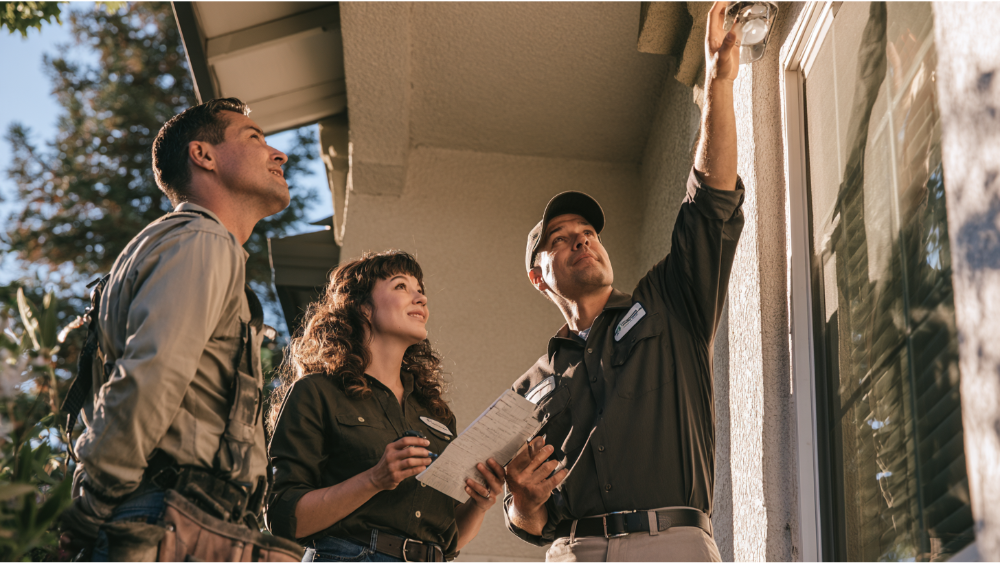
Start with inexpensive work that reliably helps: deep cleaning, decluttering, and curb appeal. Before anyone spends real money, ask:
- Which improvements are expected to raise my net, and how was that estimated?
- Who pays upfront?
- Who hires and supervises the contractors?
- Will licensed contractors and required permits be used?
- How is repayment shown on the closing statement?
Our in-house construction team is why we can buy as-is and fund repairs without you writing a check. We aren't outsourcing renovation cost, so we don't price that risk into your offer.
Multiple Offers on the Table? The Highest Price Isn't Always the Best
Before you sign, ask:
- Which improvements are expected to raise my net, and how was that estimated?
- Who pays upfront?
- Who hires and supervises the contractors?
- Will licensed contractors and required permits be used?
- How is repayment shown on the closing statement?
An offer contingent on the buyer selling another home carries real delay risk even at a strong price. In multiple offer situations, lay the terms side by side instead of ranking by dollars. The word "cash" by itself guarantees nothing. Focus on verified funds, few contingencies, and a contract you can read.
Extra Questions California Sellers Should Ask

- Which disclosures apply? The Transfer Disclosure Statement generally applies to covered transfers of one-to-four-unit residential property. If delivered after the buyer signs, the buyer generally has 3 days after personal delivery or 5 after mailing to terminate in writing (California DRE).
- Is my home in a mapped hazard area? The Natural Hazard Disclosure can cover flood, seismic, and wildfire zones.
- Was it built before 1978? Federal lead-based paint disclosure applies, with a 10-day buyer window to inspect unless waived in writing (EPA).
- Are smoke-detector and water-heater bracing certifications handled?
- Are there HOA or Mello-Roos documents to produce?
- Were past renovations permitted? A CSLB license is generally required at $1,000 or more in labor and materials. Sacramento County permits common remodel, roofing, HVAC, and water-heater work.
- Could this sale create a taxable gain? The IRS primary-residence exclusion can reach $250,000 single or $500,000 joint if you owned and lived there two of the past five years.
Selling your home as-is does not erase your disclosure duties. For anything specific to your property, talk with a qualified California real estate professional or an attorney.
Dated local snapshot: the Sacramento Association of REALTORS® reported 32 average days on market, 2.3 months of inventory, and a 98% sold-to-original-list-price ratio in August 2026. Those numbers move monthly, so ask for current local data before you believe any timeline.
Red Flags: Answers That Should Make You Pause
You asked the important questions. Now listen closely to how they're answered.
- Pressure to sign today
- Refusal to put terms in writing
- A price with no comparative market analysis behind it
- Vague fees, or fees that appear late in the process
- No verifiable address, team, or business identity
- No proof of funds for a "cash" offer
- Broad rights to cancel or cut the price after the walk-through
- An assignable contract nobody will explain
- Changed wire instructions sent only by email (verify by calling a number you already know)
Compare Your Options Side by Side

Fill this in with written numbers from every agent and buyer you talk to.
ListingCash offerFix now, sell for moreEstimated netUpfront cost to youTime to closeCertainty of closingRepairs requiredShowingsStress on you
No pressure. No one-size-fits-all solution. Just real options.
Frequently Asked Questions
What is the 3-3-3 rule for buying a house?
It's an affordability guideline: spend no more than about three times your annual income, keep roughly 30% of the price for down payment, closing costs, and reserves, and plan to stay at least three years. It's a rule of thumb, not a lending rule. For sellers, it's a quick read on which buyers can realistically afford your price.
What are the top 10 things to do to my house before selling it?
Deep clean, declutter, depersonalize, fix leaks and small repairs, fresh neutral paint, improve curb appeal, update lighting, deal with odors, stage the main rooms, and get professional photos. Skip big projects unless someone can explain the math on how they raise your net. The smart move is asking which upgrades your local market actually pays for.
What are the three most important documents in any sale of property?
The purchase agreement, because it sets price, contingencies, and deadlines. The seller disclosures, because honest disclosure is your best protection against a dispute later. And the closing statement, because it's the only document showing what you actually net.
What is the hardest month to sell a house?
Usually late fall through winter, with December and January slowest in most markets. Fewer active buyers, shorter days for showings, holiday distraction. Conditions matter more than the calendar, and a cash sale on a flexible timeline can reduce stress and take seasonality out of a successful sale.
Get Clear Answers Before You Decide: Talk to Serge Today
You deserve straight answers before you commit to anything. We've helped over 1,200 homeowners in Northern California, we're BBB Accredited with an A+ rating (listed under BKSP Property LLC, DBA Property Sales Group), and you can visit us at 9719 Lincoln Village Dr, Suite 609 in Sacramento. List it with an agent, sell it as-is for cash, or let us fund the repairs first. Find out what your home is worth. Call or text to talk to an expert, 916-990-7376. No pressure, just real options so you can move forward with confidence.
