


Is It Worth Replacing Windows Before Selling a House?
Key Takeaway
Replacing windows before selling a house is rarely worth it if your current windows open, close, lock, and show no damage - national data shows you typically recover only 70% to 76% of the project cost at resale. The real question is condition, not ROI. If windows have active water intrusion, broken glass, frame rot, or locks that won't secure the home, replacing them protects your price. Otherwise, smaller fixes like caulking, hardware repair, and professional cleaning usually do more per dollar.
If you're staring down a big pre-sale project and wondering whether new windows are worth the money, here's the honest answer: usually not. If your current windows open, close, lock, don't leak, and look presentable, replacing windows before selling is rarely the smart move before listing. National data shows window replacement typically recovers only about 70% to 76% of its cost, so a whole-house project that runs into the thousands often doesn't pay you back. Is it worth replacing windows before selling a house? It's a condition question before it's an ROI question. Below, we'll walk you through a simple, condition-first way to decide, so you can put your money where it actually helps.
What New Windows Can and Can't Do for Your Sale in a Competitive Market

New windows can do real things. They can improve curb appeal and first impressions, add a measure of resale value, lower heating and cooling costs through better energy efficiency, and add modern locking that potential buyers notice. In a competitive market, a move in ready look can help a home sell faster and become a quiet selling point. Updated windows add a sense of care that today's buyers pick up on fast.
But these are three separate benefits, and it helps to keep them apart. There's added resale value (what the sale price actually goes up). There's an avoided buyer concession (a repair credit you didn't have to give). And there's marketability (fewer objections, a better first look). None of these guarantees a higher asking price or a faster sale. A window replacement project can help you hold a price without adding an equal amount of new value, and that affects your home's marketability more than your bottom line.
What's the Real ROI on Window Replacement?
Two respected national studies landed in the same neighborhood for 2025.
The two reports, one from a remodeling magazine and one from the National Association of Realtors, use different methods, so we're showing them side by side rather than averaging them. These are national averages, not a quote for your home. Your actual numbers depend on your market, your home's value, the number of windows, and installation complexity. The takeaway holds either way: how much value you recover from window replacement rarely returns dollar for dollar, whether you choose vinyl windows or pricier wood windows. Premium windows and triple pane windows cost more and don't change that math much. Knowing how much windows cost up front helps you set expectations.
When Replacing Windows Before Selling Is Worth It

Replacing windows starts making sense when the problem is real and visible. Consider it when you have:
- Active water intrusion around the frames
- Extensive frame rot
- Broken glass or unsafe glazing
- Broken windows that won't open, close, or lock properly
- Broken locks that won't secure the home
- Widespread failed seals and fogging across the house
- Visible damage severe enough to dominate curb appeal and your home's exterior
- Multiple failures that signal broader deferred maintenance
In these cases, clear signs of neglect can genuinely dent buyer confidence and invite negotiation. Many buyers walk when windows before selling look unsafe. That's when they're worth replacing. Fixing them can protect your price and keep the sale moving.
When You Probably Shouldn't Replace Every Window
Age by itself is not a defect. Hold off on a full replacement when:
- Your house windows lock and are functioning properly
- They're simply dated, with no material damage
- You have one isolated foggy pane
- You're selling quickly on a short timeline
- You need that cash for the move
- They're historic wood windows that can be repaired
- Home buyers in your price range will likely renovate anyway
Dated is not the same as broken. If the windows work, leaving them alone is often the right call, and they may not be worth replacing at all. Many homeowners spend on this when smaller improvements would have served them better.
Repair, Selective Replacement, or Full Window Replacement?
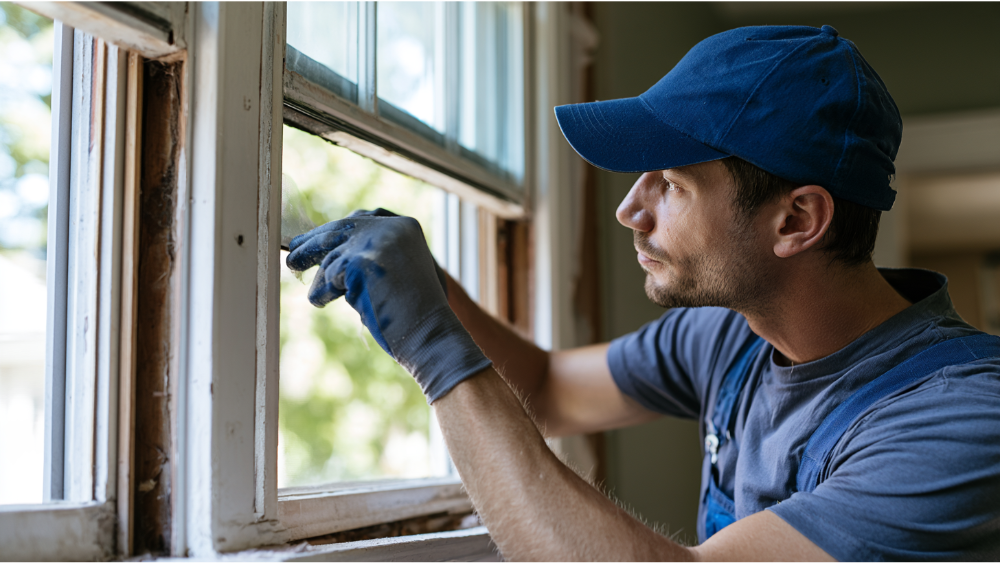
Matching the fix to the problem usually beats a blanket project. Here's how the options compare.
Will Old Windows Fail Home Inspections or Appraisal?
An inspection and an appraisal are two different things. Home inspections document condition for the buyer, and standards commonly call for operating a representative number of windows, not every one, while flagging obvious fogging or broken seals. An appraisal estimates value for the lender.
Here's the part most articles get wrong: cracked glass doesn't automatically sink a sale. Fannie Mae's guidance lists cracked window glass among minor deferred-maintenance items that can be eligible for an as-is appraisal, as long as safety, soundness, and structure aren't affected. The real line is cosmetic versus serious: water intrusion, unsafe glazing, or a window that won't secure the home are different problems. Financing requirements vary by loan, so this is general information, not legal advice.
Lower-Cost Alternatives That Boost Curb Appeal and Energy Efficiency
Before you price out new windows, look at smaller home improvement projects that often do more per dollar:
- Professional cleaning for a sharper look
- Caulking and weather stripping to close air leaks and lower energy bills
- Hardware and lock repair so everything operates and secures
- Sash or insulated-glass-unit repair where appropriate
- A trim or paint refresh around the frames
- Storm windows or energy efficient solar film on suitable homes
- Reflecting condition in your pricing or a credit, depending on strategy
Storm windows are worth a look if you want to improve energy efficiency. ENERGY STAR estimates certified low-e storm windows over clear single pane windows can save about 20% of heating and cooling costs, with roughly a three-year payback, at about half to a quarter the cost of full replacement. Energy efficient solar film is another modest upgrade that can cut glare and heat gain. Closing drafty windows and sealing air leaks can make all the difference to your utility costs. For involved repairs, bring in a pro to avoid safety, lead, or warranty issues.
Special Rules for Pre-1978 and Historic Homes
If your home was built before 1978, lead-safe rules matter. The EPA's Renovation, Repair and Painting rule generally covers paid work that disturbs paint in pre-1978 housing, and window replacement is covered regardless of the usual minor-repair thresholds. That affects cost, who you can hire, and scheduling.
Historic wood windows call for a different lens. The National Park Service recommends repair first through weather stripping, storm windows, glazing, and component repair, since swapping in incompatible units can actually reduce a historic home's appeal. When in doubt, consult a qualified specialist.
Energy Efficiency, Window Ratings, and the Expired Federal Tax Credit

Energy efficient windows help, but temper the claims. ENERGY STAR estimates that replacing single-pane windows with certified ones can cut your home's energy efficiency gap and lower household energy costs by up to about 13% nationwide, with real savings depending on climate and the home. If you're selling soon, you won't be around long enough to collect much of that payback, even if modern windows do attract buyers who value lower energy bills.
If you do install new windows, keep the NFRC label. U-factor measures insulation (lower is better), and the solar heat gain coefficient measures how much solar heat passes through (lower means less). One more thing to correct: the federal Energy Efficient Home Improvement Credit can't be claimed for property placed in service after December 31, 2025. State, utility, or local incentives may still exist, so verify current programs before you proceed.
A Simple Way to Decide: Your Net-Proceeds Worksheet
Run the numbers before you commit:
Likely sale-price benefit or avoided concession
minus project cost
minus carrying costs and sale delay
minus risk of related repairs
= estimated net benefit
This is a planning tool, not an appraisal or financial, tax, or legal advice. For tax questions, keep your receipts and talk with a qualified professional.
Compare Your Three Selling Paths

There's no single right answer, so here are three real options.
List your home on the market. Make only the updates your likely net proceeds and your local market actually support, then aim for maximum price over a longer timeline. First impressions matter, and how your home stand out in today's market can shape buyer perception from the curb.
Get a fast cash offer. Sell as-is with no repairs and close on your timeline, in as little as 7 days. Our in-house construction team is why we can buy homes as-is and still offer fairly, since we handle renovations ourselves instead of padding costs. You can get up to $100,000 cash advance before you move out, a guaranteed close (or we pay you), a standard California Purchase Agreement for your protection, and escrow opened within 24 hours.
Fix now, sell for more. We fund strategic work upfront with no out-of-pocket cost to you, but only when the projected gain justifies it. That can include replacing windows when it truly moves the needle.
If you can't or don't want to replace a single window, you still have real options. We've helped over 1,200 homeowners across Sacramento and Northern California find the path that fit their situation.
Talk Through Your Options, No Pressure
Want to know what your home is worth before you spend a dime on windows? Submit your address for a fast cash offer estimate, or just talk it through with us. No pressure, no one-size-fits-all answer. Call or text to talk to an expert at 916-990-7376, or talk to Serge today, and move forward with confidence. Fast, fair, stress-free.
Frequently Asked Questions
How much will new windows increase home value?
National averages recoup roughly 70% to 76% of the project cost at resale. The value windows add by replacing them is usually less than what you spend, so don't expect a dollar-for-dollar return.
What should I not fix before selling my house?
Functional-but-dated windows, cosmetic age, and big-ticket projects unlikely to return their cost are often better left alone. Buyers tend to focus on real defects, so put your energy into fixing those and sharpening first impressions.
What decreases property value the most?
Visible deferred maintenance, water intrusion, and safety issues deter buyers more than simple age. Old windows that won't lock or secure the home fall into that category, and that's exactly the kind of thing buyers care about.
What is the cheapest time of year to replace windows?
Late fall or winter often brings softer demand and contractor pricing. This varies by market and climate, so verify locally.
Is it cheaper to repair a foggy window seal than replace the window?
Usually yes for a single isolated failed seal. Widespread fogging or frame rot may tip the math toward window replacement.
