


How to Increase the Value of a Home Without Overspending
Key Takeaway
To increase the value of a home, prioritize fixing safety issues and deferred maintenance first, then invest in exterior curb appeal, fresh neutral paint, and a modest kitchen refresh. Projects like garage door replacement can recoup over 268% of their cost nationally, while a minor kitchen remodel returns roughly 113%. Spending more does not automatically produce a higher net return, so match every project to what comparable homes in your area actually support.
To increase your home's value without wasting money, fix safety issues and deferred maintenance first, then choose neutral, visible home improvements that buyers reward: exterior work, fresh paint, and a modest kitchen refresh. If you plan to sell soon, weigh the value you'd add against the full cost, time, and risk, because spending more does not automatically mean a higher net return. Maybe you're staring at a repair list you can't afford, or you're trying to figure out which projects are worth it before you list. Either way, you deserve a straight answer. We'll walk through what actually moves the needle on your property, what doesn't, and how to decide what's right for your house. And when you're ready, we'll show you all three selling paths, no pressure.
What Does "Increase Home Value" Actually Mean?
The word "value" gets thrown around like it means one thing. It doesn't. Before you spend a dollar, it helps to know which kind of value you're trying to move.
- Appraised value: what a licensed appraiser assigns based on comparable sales and your home's condition.
- Market value (likely sale price): what a real buyer will actually pay in today's market.
- Buyer-perceived value: the enthusiasm potential buyers feel when a home shows well. Deep cleaning and minor repairs lift this more than you'd expect.
- Net proceeds: the money you keep after repairs, fees, and every other cost.
Here's the distinction that frames everything below: some home improvements create a premium, and others only prevent a discount. A fresh coat of new paint in a neutral tone can make a buyer offer more. Fixing a leaking roof rarely adds its full cost to the price, but skipping it can scare potential buyers off entirely. Knowing which bucket a project falls into keeps you from overspending on work that won't come back to you as home value.
How Do You Find Your Home's Current Baseline Property Value?
You can't pick smart upgrades without knowing your starting point. Your baseline is simply what your property would likely sell for right now, as-is.
The clearest signal comes from recent comparable sales nearby. Appraisers generally look at at least three closed sales from roughly the past year, in your neighborhood, with a similar layout. They weigh condition, finished square footage, how many bedrooms and bathrooms the house has, and where your home sits in the local price range. That's the same information you want before deciding what to fix.
Online estimate tools can give you a rough number, but they often miss two big things: your home's actual condition and any recent improvements you've made. A tool doesn't know your water heater is new or that your kitchen hasn't been touched since the nineties. Treat those numbers as a loose starting point, not gospel.
If you'd like a quick read tied to your actual address, our estimate tool on the website can give you one in a few minutes. It's a simple way to ground your decisions in real numbers before you plan a single project on the property.
Fix Problems That Lower Your Property Value First
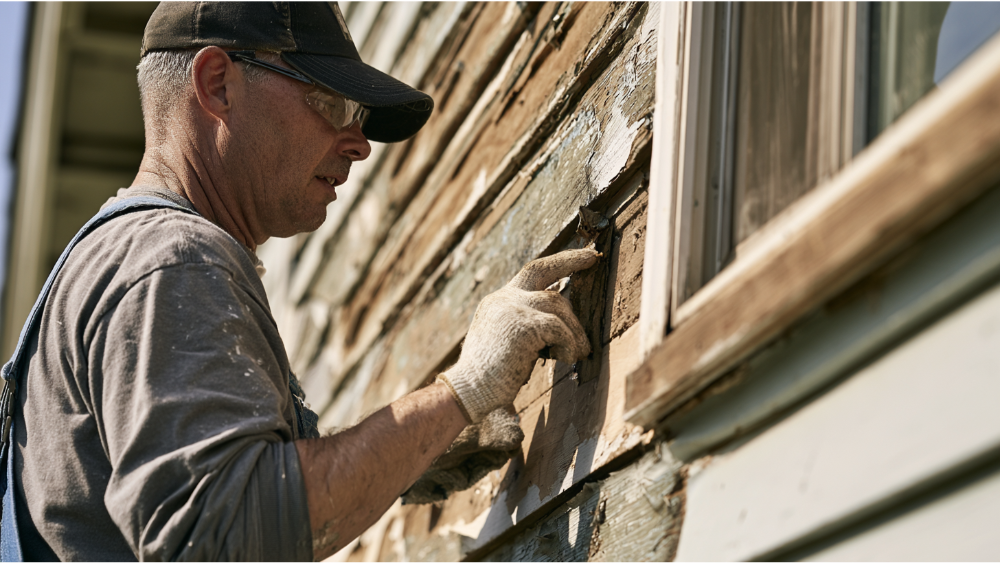
Start here, even though it's the least exciting part. These repairs mostly prevent a discount rather than add a premium. Skipping them shrinks your buyer pool and weakens your position at the negotiating table.
In order of priority:
- Active leaks and water damage
- Structural or foundation concerns
- Unsafe electrical or plumbing
- Roof problems
- Aging or failing heating and cooling systems
- Pest damage
- Unpermitted or incomplete work
Buyers notice condition more than they used to. In the National Association of Realtors' 2025 remodeling research, 46% of real estate professionals said buyers had become less willing to compromise on a home's condition. Upgrading an outdated system or correcting a known problem builds buyer confidence and keeps a deal from stalling during inspection.
A fair warning: no two of these repairs add the same amount to your price, and some add very little beyond keeping the sale on track. If this list feels overwhelming, or you simply can't put money into the house right now, that's exactly why our as-is cash path exists. You can sell without touching any of it.
Low-Cost Home Improvements With Broad Buyer Appeal
Small projects often punch above their cost because they shape the first impression. A buyer decides how they feel about a house fast, and clean, bright, and uncluttered reads as "well cared for."
Where your money goes furthest:
- Deep cleaning, top to bottom
- Decluttering so rooms feel like more usable space
- New paint in neutral tones, which helps buyers picture themselves living there
- Minor wall and trim repair
- Updated lighting and hardware, including fresh light bulbs and ceiling fans
- Yard cleanup and basic landscaping
- A tidy, welcoming entry
- Replacing visibly damaged finishes
Paint is the most-recommended pre-sale project for a reason. In NAR's 2025 report, 50% of professionals recommended painting the entire home before selling and 41% recommended painting a single room. Even swapping dim light bulbs for brighter, efficient ones changes how a space feels at a showing. These moves influence presentation and buyer enthusiasm. They don't come with a guaranteed appraisal bump, but they can absolutely strengthen an offer. On a small budget, these are the home improvements to start with.
How Your Home's Curb Appeal Shapes a Buyer's First Impression
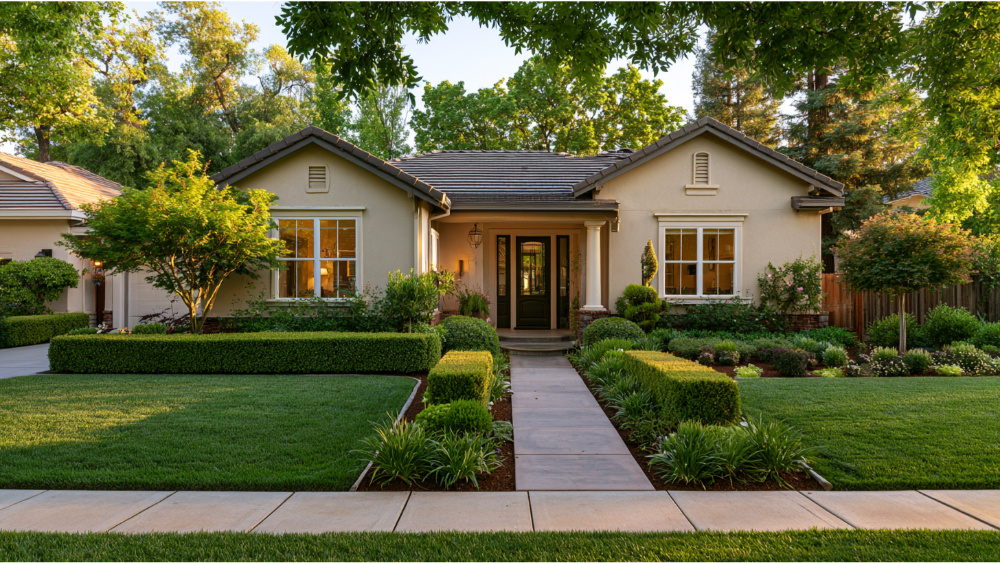
Buyers form an opinion before they step inside. The driveway, the front door, the yard: that's the first impression, and it colors everything after. Exterior work consistently lands near the top of return-on-investment rankings because it sets the tone cheaply. Curb appeal is one of the few areas where a modest investment reliably pays for itself.
A few high-impact moves to lift your home's curb appeal:
- Modernize or repaint the front door
- Replace or refresh a dated garage door
- Add fresh, simple landscaping
- Keep the entrance clean and uncluttered
- Handle minor exterior repairs like peeling trim or a cracked walkway
A clean, cared-for entrance quietly tells a buyer the rest of the house has been maintained too. That perception does real work before anyone sees the kitchen. Good curb appeal also photographs well, and strong listing photos pull more potential buyers through the door. We'll put numbers to the biggest exterior projects in the next section, where they belong.
Larger Renovations: Use Local Comparables, Not Trends
Bigger projects need local comp support before you commit. A beautiful remodel that outpaces your neighborhood won't get its money back, no matter how good it looks. Design trends don't set your price. Recent sales near you do.
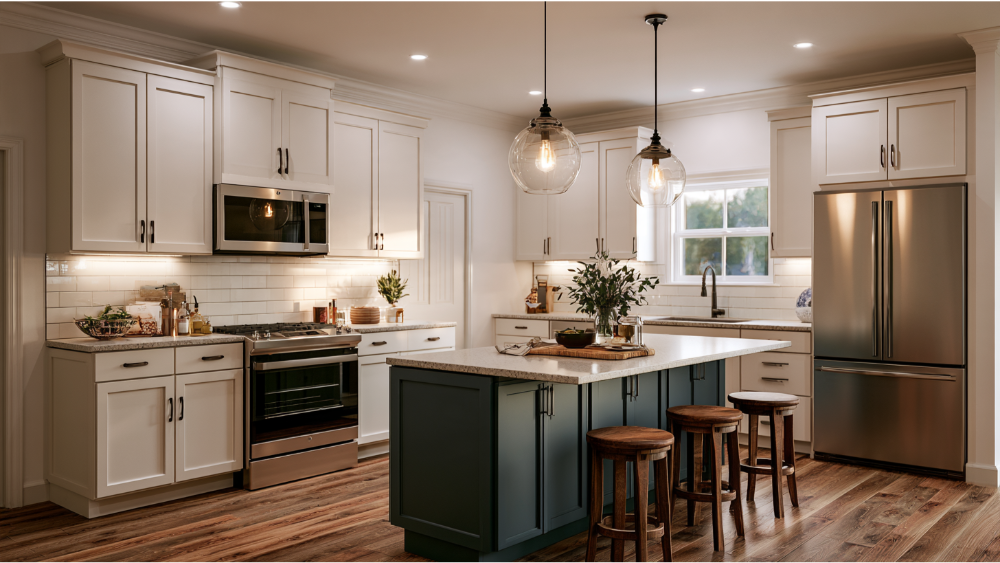
Some patterns hold up across markets. A minor kitchen refresh with new hardware, repainted cabinets, and updated fixtures typically recovers more of its cost than a full gut remodel. In bathrooms, the highest-impact work is fixing leaks and mold, not adding square footage, so clean, functional bathrooms matter more than luxury finishes. Exterior doors, siding, and garage doors tend to perform well. New energy efficient windows can trim utility bills while freshening the look, and roof or major-system replacement mostly removes a buyer objection rather than adding a premium.
Below are five projects from remodeling industry research that illustrate how focused exterior work often outperforms large interior remodels in resale value.
2025 Cost vs. Value: Five High-Return Projects (national benchmarks)
Source: 2025 Cost vs. Value Report national averages, modeled across 119 U.S. markets. These are benchmarks, not guaranteed returns for any single home. Costs and value vary by market.
Energy Efficient Upgrades That Add Value and Cut Costs
Energy efficient upgrades can do two things at once: lower your utility bills now and appeal to buyers later. Many buyers see energy efficient features as money already saved.
Worth considering:
- Solar panels, which can reduce utility costs and appeal to the right buyer
- Sealing air leaks for better comfort and less waste
- A smart thermostat, an inexpensive touch that reads as modern
- Energy efficient windows that cut drafts and heating costs
- Energy efficient appliances in the kitchen and laundry
- Swapping old bulbs for LED light bulbs throughout the house
Energy efficient windows and energy efficient appliances tend to resonate with potential buyers who are thinking about long-term ownership costs, not just the purchase price. One note on timing: under current IRS guidance, the federal Energy Efficient Home Improvement Credit and Residential Clean Energy Credit ended for property placed in service or expenditures made after December 31, 2025. Tax rules change often, so check with a tax professional before counting on any credit.
Adding Usable Living Space to Increase Property Value
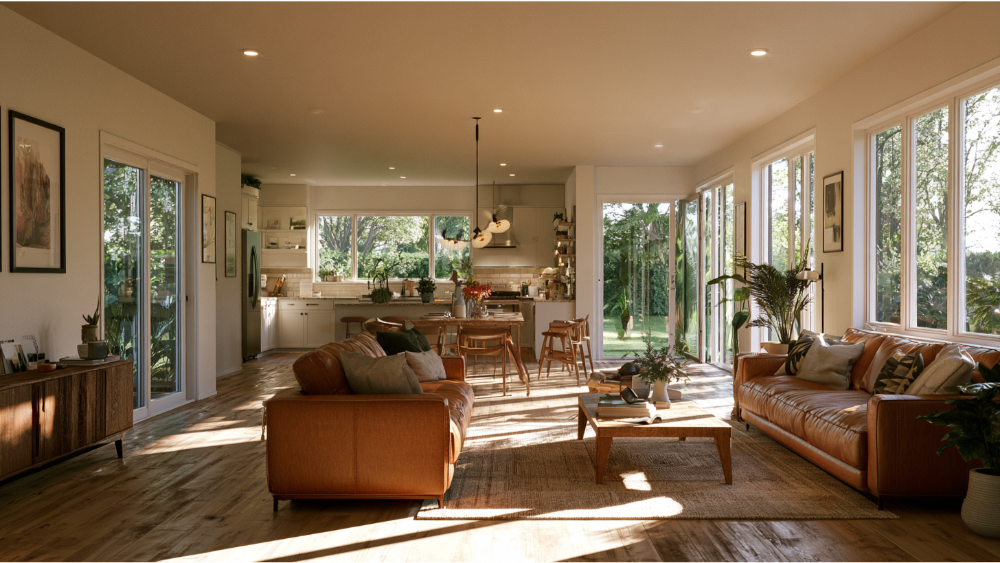
Functional, finished square footage drives value on a price-per-square-foot basis. Buyers pay for usable space they can actually live in.
Common ways to add usable space:
- Finishing a basement
- Converting an attic into usable rooms
- Adding a deck to extend outdoor living space
- Reworking an awkward floor plan to create more functional usable space
- Using smart-home tech to get more out of the space you already have
The caution here is the same as above: added usable space only pays off when local comps support the higher price, and when the work is legal and properly permitted. Unpermitted additions can turn into a problem at closing. Before you break ground, look at what finished square footage is actually selling for near you, because that number sets the ceiling on this investment.
Home Improvements That Often Don't Pay Back
We'd rather tell you the truth than sell you a project. More spending does not mean more return, and some popular upgrades regularly underperform.
Be careful with:
- Highly personalized finishes that suit your taste, not the next buyer's
- Luxury remodels that overshoot the neighborhood
- Removing a useful bedroom to enlarge another room
- Converting a garage where buyers still expect parking
- Pools in markets with limited demand
- Large additions without comparable sales to back the price
- Cosmetic work done while serious maintenance sits unaddressed
No improvement carries a guaranteed return on your investment. The smartest dollar is usually the one spent on broadly appealing, neutral work that matches what your market already rewards.
Does Staging Actually Increase Home Value?
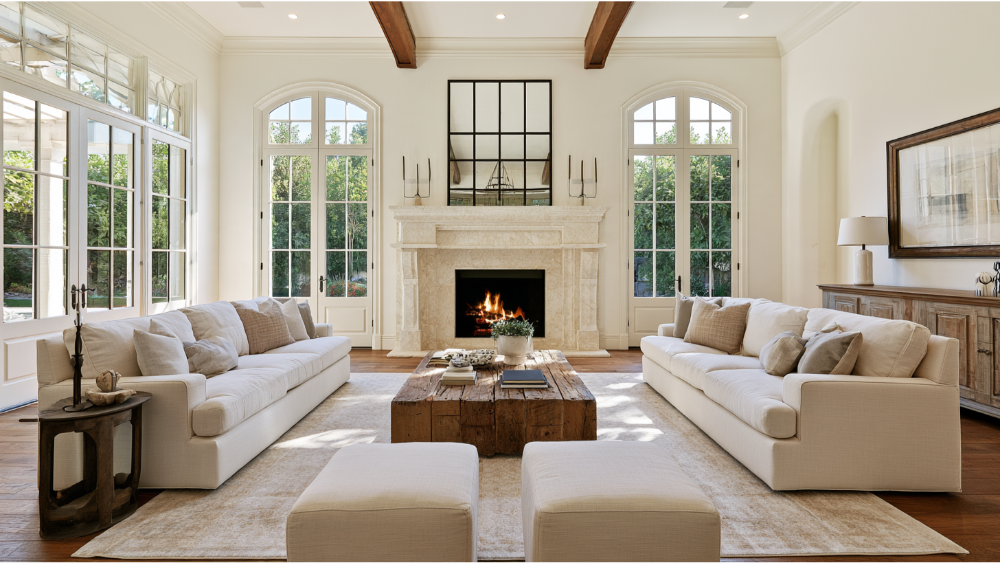
Staging doesn't change your home's physical or appraised value. What it changes is how buyers respond to the space. That still matters at the offer table.
NAR's 2025 staging research found that 83% of buyers' agents said staging made it easier for buyers to picture a home as their own. Some agents reported staged homes drew offers 1% to 10% higher, and nearly half of sellers' agents noticed reduced time on the market. Neutral colors, fresh new paint, and an uncluttered layout help a buyer imagine living there, which can shorten your timeline and firm up an offer. Think of staging as presentation, not a physical upgrade that lifts the appraisal.
How to Calculate Whether Renovating Is Worth It
This is the question most guides skip. The goal isn't a bigger renovation budget, it's a better net outcome. Run the numbers before you commit to major home improvements.
A simple worksheet:
- Estimated as-is sale proceeds
- Estimated proceeds after the renovation
- Total project cost
- Financing cost, if you're borrowing (a home equity loan, for example, carries interest that eats into your return)
- Carrying cost while the work gets done (taxes, insurance, utilities, interest)
- A contingency for surprises
- The resulting difference in net proceeds
The math is: expected increase in net proceeds, minus every cost, equals your estimated renovation benefit. Compare that number to simply selling as-is. Don't forget the hidden risks that erode the benefit fast: contractor delays, temporary relocation, and the very real chance of uncovering more damage once walls come open. If the gap between the two paths is small, renovating may not be worth the stress. This is general information, not financial advice, so weigh it against your own situation.
Before You Start: Permits, Lead Safety, and Contractors

A little due diligence up front protects you from expensive mistakes.
- Permits: Check with your local building department. Requirements vary by jurisdiction, and the written contract should say who pulls them.
- Bids: Get at least three written estimates. Consumer protection and realtor-association guidance both recommend interviewing multiple contractors.
- Scope and timeline: Put it in writing, in detail.
- Credentials: Verify licensing and insurance where applicable.
- Lead safety: For pre-1978 homes, EPA lead-safe rules generally apply to paid work that disturbs paint. The minor-work exclusion covers roughly six square feet per interior room or 20 square feet on the exterior. Replacing windows and demolition don't qualify.
- Payment: Never pay in full upfront.
- Records: Keep invoices and permits. The IRS treats qualifying improvements as additions to your home's adjusted basis, which can matter at tax time. Ask a tax professional.
Choosing the Right Selling Path for Your Situation
Every situation is different. There's no single right answer, and anyone who tells you otherwise is selling something. We've worked with homeowners in every spot you can imagine, and here are three real options, laid out plainly so you can decide.
List Your Home on the Market
With some strategic prep and our support on pricing, marketing, and negotiations, a traditional listing can bring the highest gross sale price. It also takes longer and comes with agent fees, repair demands, and the risk a deal falls through. Those costs eat into what you keep. Going the direct route with us can save you approximately $15,000 to $20,000 in fees compared to a traditional sale. If maximum price matters most and you have time to make a few upgrades first, listing may be your path.
Get a Fast Cash Offer and Sell As-Is
Prefer speed and certainty? Take a cash offer, skip the repairs and showings, and close in as little as 7 days, on your timeline. Our in-house construction team means we can buy as-is and still offer competitively, because we handle the renovation ourselves instead of pricing it against you. You can get up to $100,000 as a cash advance before you move out. We use a California Purchase Agreement, open escrow within 24 hours, and back the deal with a guaranteed close, or we pay you. That's what transparency looks like.
Fix Now, Sell for More
If your house has upside but you can't fund the work, we can. We cover strategic repairs and upgrades upfront with no out-of-pocket cost to you, from new paint and updated bathrooms to fresh landscaping that lifts your home's curb appeal. Then you earn more after the improvements. Our construction team is the reason this works, and you never need a home equity loan or any cash of your own to make it happen. Fast, fair, and stress-free, with real options to move forward with confidence.
Talk Through Your Options With Property Sales Group

You don't have to figure this out alone. Start with our address-based tool to find out what your home is worth, or talk it through with someone who knows this market. We've served over 1,200 homeowners across Northern California, we're a local Sacramento team, and we're BBB Accredited with an A+ rating. Our process is transparent, with no fees and no out-of-pocket expenses.
No pressure, just real options. Call or text to talk to Serge today at 916-990-7376, or request a fast cash offer online whenever you're ready.
Frequently Asked Questions
What puts the most value on your house?
There's no single magic upgrade. Fixing safety issues and deferred maintenance, then adding broadly appealing exterior work for curb appeal, fresh neutral paint, and a modest kitchen refresh, tends to matter most. Remodeling research consistently favors focused, neutral home improvements, though no project carries a guaranteed return on your investment.
How much will a 0,000 house be worth in 10 years?
No one can honestly promise a number. It depends on your local market, how well you maintain the property, and broader economic conditions. Home values have generally trended upward over long stretches of time, but that's a pattern, not a guarantee. This isn't financial advice.
What is the 3-3-3 rule in real estate?
It's an informal affordability rule of thumb some buyers use, often along the lines of keeping your home price around three times your annual income, putting down roughly 30%, and keeping housing costs manageable. Definitions vary, and it's a guideline, not a legal standard.
What are 11 things that can make my house look more expensive?
Low-cost, high-impact first impressions: neutral new paint, decluttering to open up usable space, deep cleaning, updated lighting and brighter light bulbs, a modern front door, fresh landscaping, a clean entrance, new cabinet hardware or repainted cabinets, updated fixtures in kitchens and bathrooms, ceiling fans, and staging. None of these require a major renovation to make a real difference in how your home shows to potential buyers.
