


Can You Sell a Condemned House?
Key Takeaway
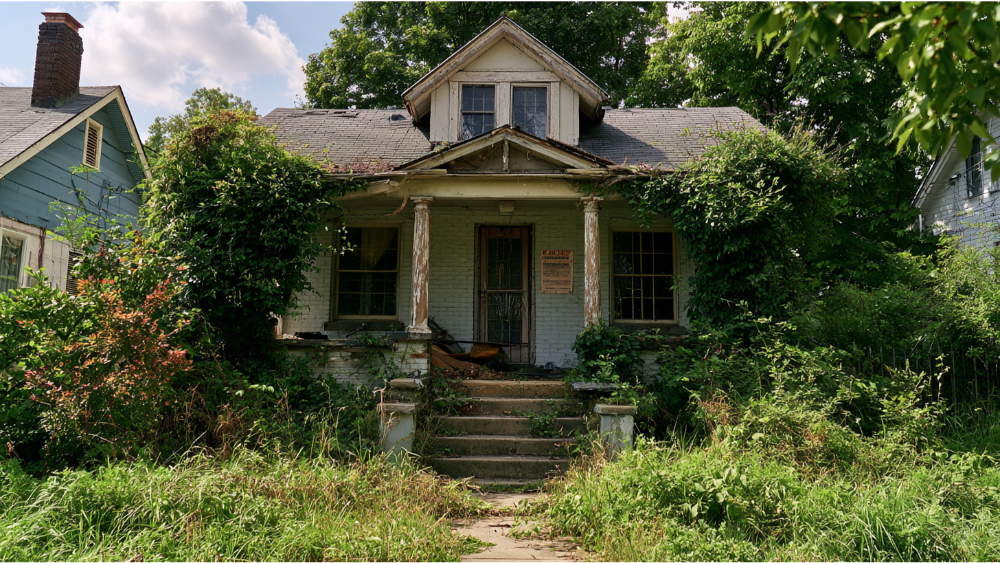
Yes, you can sell a condemned house, though the process differs from a normal home sale. Depending on local code, you may need to satisfy the order first or provide the buyer a signed acknowledgment accepting responsibility for required corrections. Most condemned homes sell to cash buyers or investors because regular mortgage financing is rarely available until serious safety issues are resolved. You typically have three practical paths: sell as-is for cash, list on the market, or fund repairs first and sell for more.
Can You Sell a Condemned House? The Short Answer
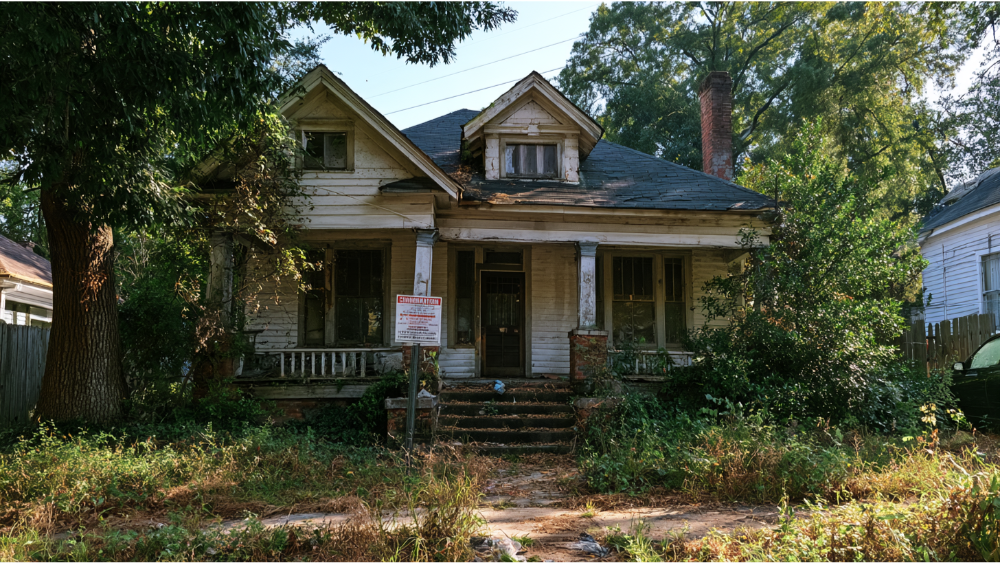
Yes, you can usually sell a condemned house. But selling a condemned property isn't handled like a normal home sale. The official order may require you to correct the violations first, or hand the buyer a copy of the order and get their signed acknowledgment that they're taking responsibility, before title can transfer. Because regular mortgage financing is often difficult, an as-is cash sale or a repair-then-sell approach tends to be more practical for most homeowners.
If you've just opened a scary notice taped to your door, or you've inherited a property with problems you didn't ask for, or repairs cost more money than you can cover right now, take a breath. You have viable options. Below is a plain-language walkthrough of what the order actually means, what you can and can't do, and how to compare the paths in front of you so you can make informed decisions and move forward with confidence.
Key Takeaways Before You Sell a Condemned Home
Start with one key idea: ownership and occupancy are separate. A condemnation order restricts how a building can be used. It usually does not hand title to the local government. You still own the property.
What a sale may carry are conditions. Depending on local code, you might need to satisfy the order first, or deliver a true copy of the order to the buyer along with a signed, sometimes notarized, acknowledgment that they accept responsibility for the required corrections. Much of this language traces back to the 2024 International Property Maintenance Code, a widely used model code that local government authorities adopt or amend to fit their own local ordinances.
That's the catch. The IPMC is a model, not federal law. Your actual starting point is the order you received and the code office that issued it. Expect the words "often," "may," and "depending on local code" throughout this article, because the specifics genuinely vary from one jurisdiction to the next. The local government authorities named on your notice have the final say on how your house condemned status affects a transfer.
What Does It Mean When a House Is Condemned?
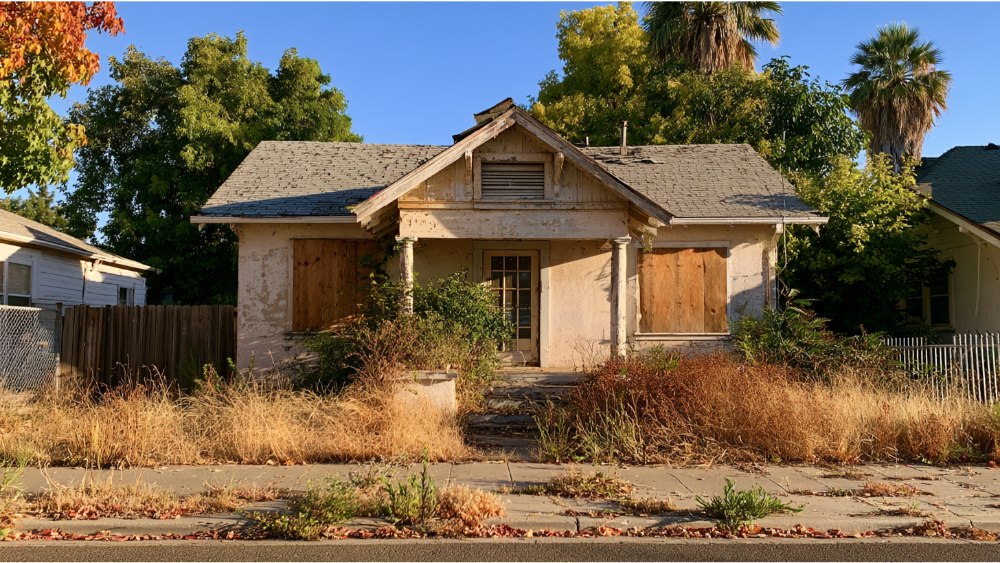
A house generally becomes condemned when an authorized local official decides it's unsafe, unsanitary, or unfit for human habitation. That's a formal legal status, not a casual label for a tired fixer upper or a dilapidated house that just needs cosmetic help.
It helps to separate four things that often get lumped together:
- A house that simply needs repairs.
- A property with one or more code violations.
- A house formally declared unsafe or unfit for occupancy (condemned).
- A property under a demolition order.
These are not interchangeable, and the difference changes your options. Common reasons a home gets condemned include serious structural issues, fire or electrical hazards, missing essential utilities like water or working sewer, extensive mold, or contamination from hazardous materials. Years of neglect can turn small problems into critical ones, and that's how a well-kept house slides toward a condemned house over time. A condemned designation means the home has failed to meet basic safety standards and building codes.
One more clarification: a placard on the door means "do not occupy." It does not mean the local government now owns the house. Until a repair order is cleared, the home can't legally be lived in, but the title is still yours as the property owner.
Condemnation vs. Eminent Domain: Two Different Things
The word "condemnation" carries two meanings in real estate, and mixing them up causes real confusion for property owners.
An unsafe-building condemnation is a local order that restricts use and occupancy. Title normally stays with you. Eminent domain is different: that's the government taking property for public use, which triggers the Fifth Amendment requirement to pay just compensation. One restricts how you use your home. The other actually takes it and pays you money for it.
This article is about safety and code condemnation, the kind that lands on your door as an unsafe or unfit-for-occupancy notice.
What to Do Before You Try Selling
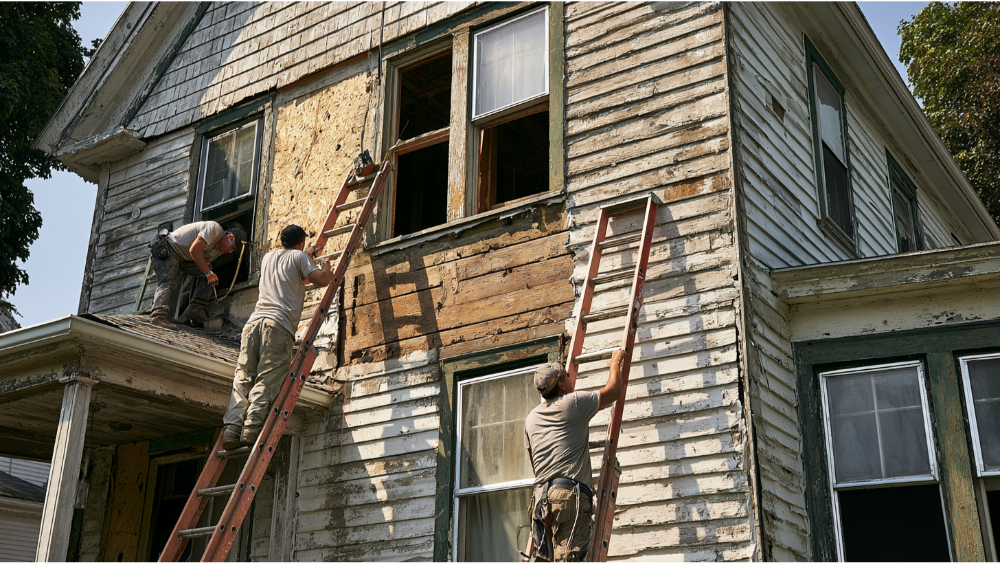
Before you sign anything, get organized. These first steps protect you and make every later decision clearer when selling a condemned house.
- Get the complete notice and inspection report. You need the full document, not a summary.
- Confirm what the order requires. Repair, secure, demolish, or just vacate? Each points to a different path.
- Ask the code office whether a transfer is allowed and what buyer acknowledgment, if any, the local authorities require.
- Request information on fines, assessments, and recorded liens. Unpaid taxes and code fines can follow the property.
- Get your mortgage payoff and preliminary title information. A thorough title search reveals outstanding liens before selling.
- Gather permits, contractor reports, insurance documents, and prior repair records.
- Compare your three selling paths once you know what the order allows.
Contact the authority named on the notice before you commit to anything. And a safety note that matters: don't remove a placard, let anyone move back in, or start unpermitted work. Those choices can make a hard situation worse. If you're weighing the financial side, a financial advisor can help you think through net proceeds and property taxes.
Your Multiple Options for Selling a Condemned House
You'll hear two extremes. One says you have to pour all your money into repairs. The other says your only move is to grab the first low cash offer. Both are wrong. Every homeowner's situation is different, and there are usually three valid paths for selling a condemned property depending on your timeline, budget, and what the order permits. Having multiple options is exactly why so many property owners feel stuck until they see the full picture.
Option 1 — List the House on the Market
A traditional home sale makes sense when the condemnation can realistically be lifted, when the repairs are within reach, or when listing the house in its current condition could draw multiple offers from an investor-oriented buyer pool where that's permitted. Condemned homes often attract developers and property investors who want the rehabilitation potential.
Honest take: a listing can earn a higher gross price than a quick cash sale. But it takes more time, carries more uncertainty, and may need preparation before it shows well. A real estate agent can help with pricing and marketing, and we offer a listing path with pricing, marketing, and negotiation support, because sometimes that's genuinely the right move for you. We're not anti-agent. We just want you to see the full picture before you choose.
Option 2 — Get a Cash Offer and Sell a Condemned House As-Is
A fast cash offer fits best when you can't fund repairs, you're facing a firm local deadline, or you simply want certainty and a clean, simple process. You sell as-is, make no repairs, and close on your timeline, sometimes in as little as 7 days. Cash sidesteps the lender property-condition standards that stop traditional buyers from financing a condemned home, which is why many of these sales close quickly with cash buyers, and it's a big reason homeowners sell houses quickly this way.
Here's the honest part: a condemned house sold as-is typically sells below property value. What changes the math with us is our in-house construction team. Because we handle renovation ourselves instead of outsourcing it, we can factor demolition costs and repair costs in-house and often offer more money than buyers who have to pay a contractor's markup. We routinely buy condemned houses that other buyers walk away from.
A fair cash sale should include proof of funds, a transparent contract (we use the California Purchase Agreement for your protection), real title work, and a clear plan for handling the order. We can also offer up to $100,000 cash advance before you move out, and a guaranteed close, or we pay you. No pressure. When you're ready, talk to Serge today and get a no obligation cash offer on your property.
Option 3 — Fix the Fixer Upper Now, Sell for More
This path only works if repair is legally permitted, meaning the property isn't under a final demolition order. Confirm with the code office, pull the right permits, use licensed contractors, and pass reinspection.
With our fix-now path, we fund the necessary repairs upfront. No out-of-pocket cost to you. We make strategic upgrades that boost value, and you earn more money after the improvements. This is where our in-house construction team becomes a real advantage, because we're doing the work, not just estimating it. The one caution: weigh the improvement cost against the likely increase in net proceeds. Not every repair pays for itself, and we'll tell you straight when it doesn't. Keeping realistic expectations here protects your bottom line.
Do You Have to Fix a Condemned House Before Selling It?
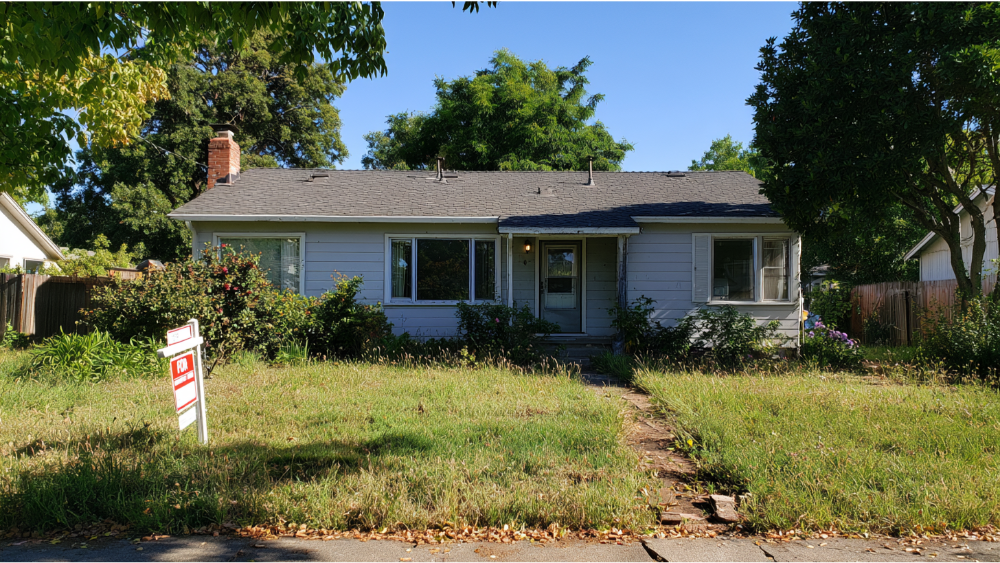
Sometimes no. Depending on local code, you may be able to either bring the home into compliance or have the buyer formally assume the order. Many condemned homes are sold as-is without the owner making repairs.
A final demolition order changes things. It can sharply limit your options, and in some cases the city's demolition costs can become a lien on the property. Deadlines to repair or demolish vary a lot by area. You may hear figures like 30 to 90 days, but that's not a national rule, so confirm the real timeline with the code office that issued your notice. And never assume responsibility for every violation automatically transfers at closing. Whether it does depends on the order, local law, your title, and the contract language.
What Must You Disclose When Selling a Condemned House?
You have to be upfront. According to the National Association of REALTORS®, all 50 states and Washington, D.C. require disclosure of known material property conditions in some form, though the forms, timing, and legal standards vary. Knowingly withholding required information can let a buyer cancel the deal or pursue legal remedies against you.
For a condemned property, the safest approach is to hand the buyer everything:
- The condemnation or unsafe-building notice.
- Inspection and code-enforcement reports.
- The list of violations and any repair, securing, or demolition orders.
- Known deadlines, fines, assessments, and liens.
- Permit records and written communications from the local authorities.
Don't confuse "as-is" with silence. As-is means you aren't promising to make repairs. It does not give you permission to hide a known order. Federal rules add another layer: for most homes built before 1978, you must disclose known lead paint and hazards, provide the EPA pamphlet, and give the buyer a 10-day window to inspect for lead unless you both agree otherwise. This is general information, not legal advice, so check your specific requirements. Experienced real estate professionals can help you confirm what your disclosure forms must cover.
Can Cash Buyers or a Lender Finance a Condemned House?

Usually not through a regular mortgage, at least not until serious safety issues are fixed. Fannie Mae rates a property with safety, soundness, or structural defects as C6, which is ineligible until repaired to at least C5. Freddie Mac similarly treats C5 and C6 properties as generally unacceptable collateral unless the issues are cured first, with some renovation-mortgage exceptions. That's why most condemned homes sell to cash buyers or investors who can pay without a lender's sign-off on the property's condition.
But "cash only" is too absolute. The FHA 203(k) program combines purchase and rehabilitation into one loan, with rehab funds held in escrow and released as work gets done. The property generally has to be at least a year old. The Limited version allows up to $75,000 in rehab cost and up to nine months to finish, while the Standard version allows up to 12 months with a $5,000 minimum repair cost. It's possible, not guaranteed, and it only works when the lender, appraiser, contractor, and code office all agree the plan holds up.
What Can Delay or Stop the Closing Date?
Even a willing buyer and seller can hit snags before the closing date. Watch for these:
- Local transfer restrictions or a missing buyer acknowledgment.
- An active demolition order.
- Unresolved title issues.
- Mortgage, tax, judgment, or code-enforcement liens.
- Buyer financing failure.
- Unpermitted work on record.
- Disputes over who completes the required repairs.
- Incomplete written disclosure.
A condemnation order doesn't erase a mortgage or a lien. Those have to be addressed at closing by the title or escrow professional, working with the county government or city code office. One thing that keeps deals moving: we open escrow within 24 hours of an executed contract, so you're not left waiting through extended periods of uncertainty.
How Much Money Is a Condemned House Worth in Today's Market?

There's no universal discount formula, and anyone who hands you one is guessing. Honestly, a condemned house commonly sells well below comparable habitable homes, often in the range of 30 to 50 percent less, and sometimes the buyer is really purchasing the land.
What actually drives the price in today's market:
- Land value and legal use or zoning.
- Whether repair is permitted at all.
- Demolition costs and repair costs.
- Likely after-repair value.
- Liens and assessments on the property.
- Buyer demand and time remaining under the order.
Those ranges are general market patterns, not a promise for your specific home. The only way to know your number is to have someone evaluate the actual property and the actual order. A fair price on a condemned property always starts with a documented look at the real condition. The property's condemned status shapes which interested buyers will even make an offer.
How Is a Condemnation Status Lifted?
If repair is allowed, lifting the condemnation status usually follows a clear sequence:
- Confirm the required corrective work with the code office.
- Pull the needed permits.
- Complete the approved work with licensed professionals.
- Request a reinspection.
- Obtain written clearance or a release of the order.
- Confirm occupancy status and public records are updated.
Timelines vary by jurisdiction, so don't count on a fixed schedule. This is often the path that unlocks a traditional listing once the house is legally habitable again, which also widens the buyer pool and draws more potential buyers well beyond cash-only investors.
How to Choose Reputable Cash Buyers or a Selling Partner

You've probably heard horror stories about companies that buy homes fast. Good instinct. Each type of buyer has its own set of practices, so protect yourself by asking any buyer:
- Are you the actual buyer, or are you assigning the contract to someone else?
- Can you show proof of funds?
- Who pays the closing and title costs?
- When does escrow begin?
- How will existing orders and liens be handled?
- Is the offer based on a documented repair estimate?
- Can I review the agreement with a real estate attorney?
- What happens if you don't close?
- Are there any hidden assignment, cancellation, or service fees?
Some unlicensed wholesalers use unregulated contracts and simply assign the deal to another party, which can leave you exposed. Listing a condemned home on online platforms like Facebook Marketplace can also expose you to unvetted buyers who may not actually close. For contrast, here's how we work: we use the California Purchase Agreement, open escrow fast, and cover the fees so there's no out-of-pocket cost to you. We're BBB Accredited with an A+ rating (it may appear under our parent entity, BKSP Property), led by founder Sergei Kucher and a named team right here in Sacramento. And we back it with a guaranteed close, or we pay you. That's the kind of certainty most property owners want when selling a condemned house under pressure.
The Right Path Depends on Your Timeline, Budget, and the Order
There's no single correct answer here, only the one that fits your situation. If you're facing a firm deadline or you have no budget for repairs, a fast as-is cash sale may be the clean way out and the start of a fresh start. If the order can be lifted and you can afford to wait, listing the house may net you more. If repair is allowed and the value lift justifies it, fixing now and selling for more can be the strongest move.
Our promise is simple: fast, fair, stress-free. Real options, not a one-size-fits-all pitch. Find out what your property is worth and talk through your choices with no pressure. Talk to Serge today, call or text 916-990-7376. We serve Sacramento and Northern California, including Fair Oaks, Placerville, Auburn, and Antelope.
Frequently Asked Questions
What is the difference between uninhabitable and condemned? Uninhabitable describes a condition, while condemned is a formal legal status declared by local authorities. A condemnation bars occupancy until the problems are corrected and the order is cleared. Specifics vary by jurisdiction.
Can you legally live in a condemned house? Generally no. A condemnation order prohibits occupancy, and you shouldn't remove a placard or move back in against the order. Doing so can bring penalties and real safety risk.
How much money is a condemned house worth? It depends on land value, whether repair is permitted, demolition costs and repair costs, liens, and buyer demand. These homes often sell well below comparable habitable homes, but there's no fixed formula, and the only reliable price comes from evaluating your specific property.
Who pays to tear down a condemned house? Usually the owner. If the local government carries out the demolition, that cost can become a lien on the property, which must be resolved at or before a sale. Confirm the details with your local code office, since rules differ by area.
